
Why Hopkins Homeowners Need a Crawl Space and Indoor Air Quality Inspection This Summer
Share this article
Hot, humid weather can expose home problems that remained unnoticed during cooler months. In Hopkins homes with crawl spaces, aging ductwork, or previous leaks, summer is often when musty odors, condensation, high humidity, and moisture-related damage become harder to ignore.
A crawl space and indoor air quality inspection can help identify moisture sources, ventilation concerns, accessible HVAC conditions, and conditions that may be affecting your home’s air. An indoor air quality inspection in Hopkins, SC should evaluate the building as a whole rather than treating odors, dust, or humidity as separate problems.
Clean Aire, Inc. has served Hopkins and the surrounding South Carolina communities since 1991. The company provides indoor air quality assessments, moisture testing, mold testing, monitoring, duct cleaning, and related services.
What May Be Hiding Beneath Your Hopkins Home (and How It Can Affect Indoor Air)
Humid air, odors, and airborne material from the crawl space may enter the living area through gaps around plumbing, wiring, floors, ductwork, and other openings.
The Department of Energy explains that vented crawl spaces can experience serious moisture problems in humid climates. Common sources include:
- Bare soil releasing water vapor
- Poor drainage around the foundation
- Plumbing or condensate-line leaks
- Standing water after heavy rain
- Humid outdoor air entering through crawl space vents
- Missing, loose, or damaged vapor barriers
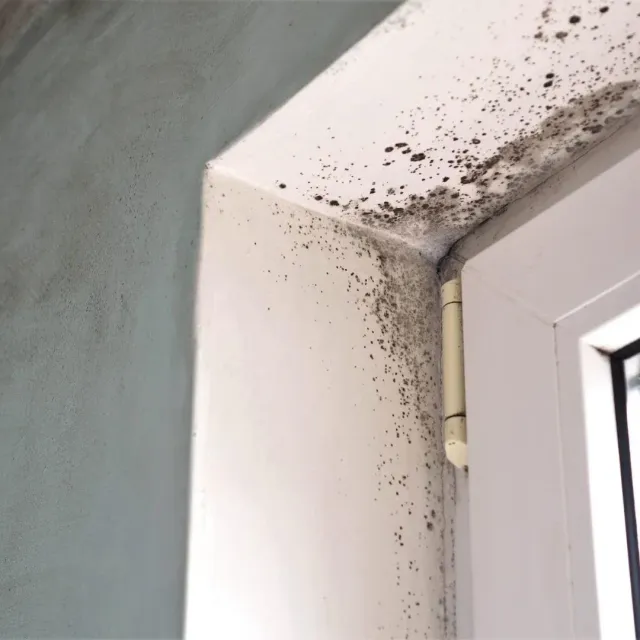
Over time, damp conditions may contribute to musty odors, damaged insulation, wood deterioration, uncomfortable indoor humidity, and conditions that support mold growth.
For Hopkins homeowners, the concern is not only what moisture can do to floor joists or insulation. It is also how conditions below the home may affect comfort and air quality in kitchens, bedrooms, and other first-floor spaces.
Why Summer Makes Existing Air Quality Problems More Noticeable
Summer does not necessarily create every indoor air problem, but it can make existing weaknesses easier to detect. High outdoor humidity, frequent air-conditioning use, closed windows, and colder duct surfaces can all influence indoor conditions.
When a home remains closed for cooling, pollutants generated indoors may build up if ventilation is limited. These may include:
- Cooking particles
- Pet dander
- Dust and dust-mite debris
- Smoke
- Cleaning-product vapors
- Moisture from bathing and cooking
- Emissions from furnishings and building materials
The Environmental Protection Agency reports that Americans spend about 90% of their time indoors and that concentrations of some pollutants are often 2 to 5 times higher indoors than outdoors. That does not mean every closed home has dangerous air. It means recurring odors, unusual humidity, moisture stains, or comfort problems deserve a closer look.
Learn more about why indoor air quality testing is essential for homes in Hopkins, SC.
Can Mold Grow in Ducts or HVAC Areas?
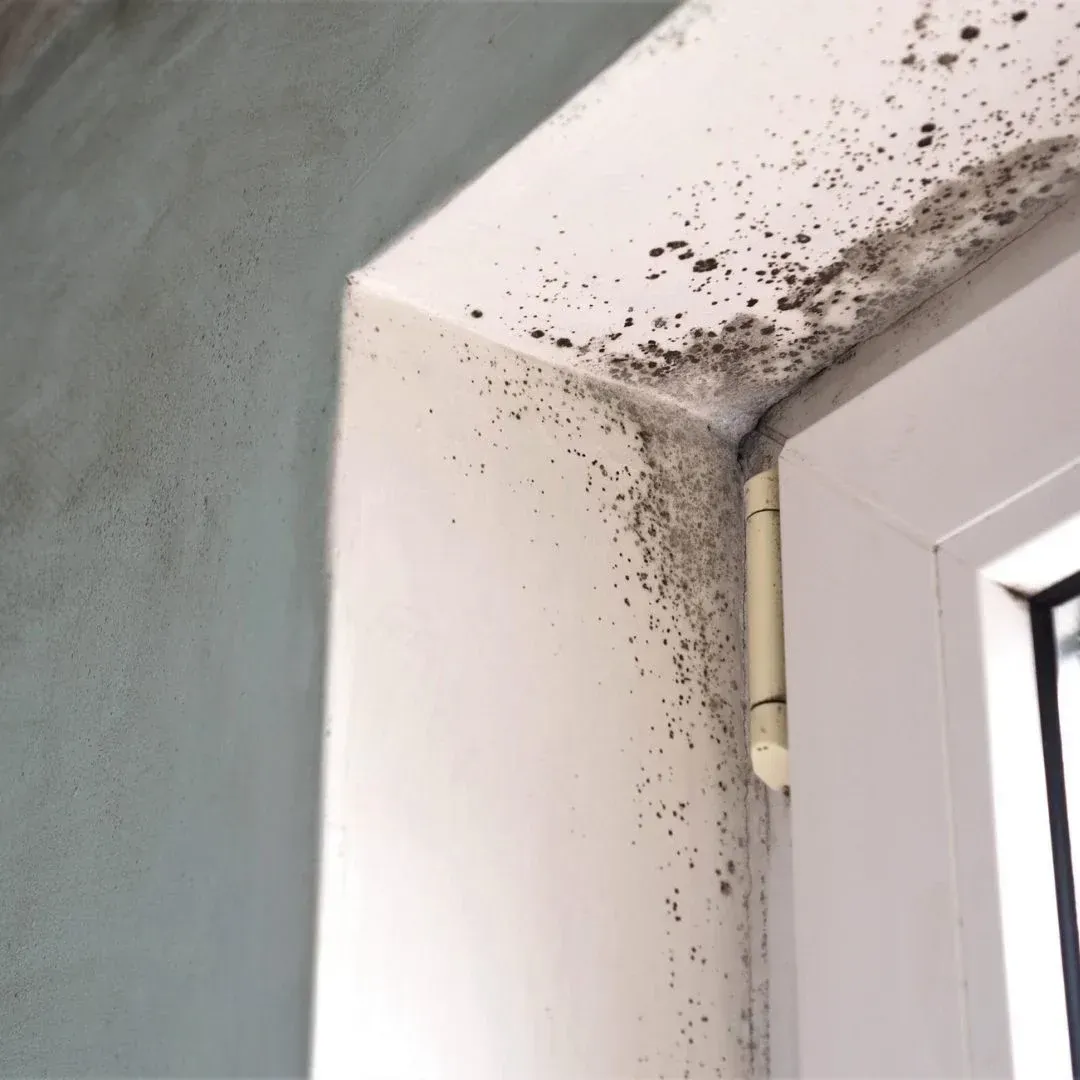
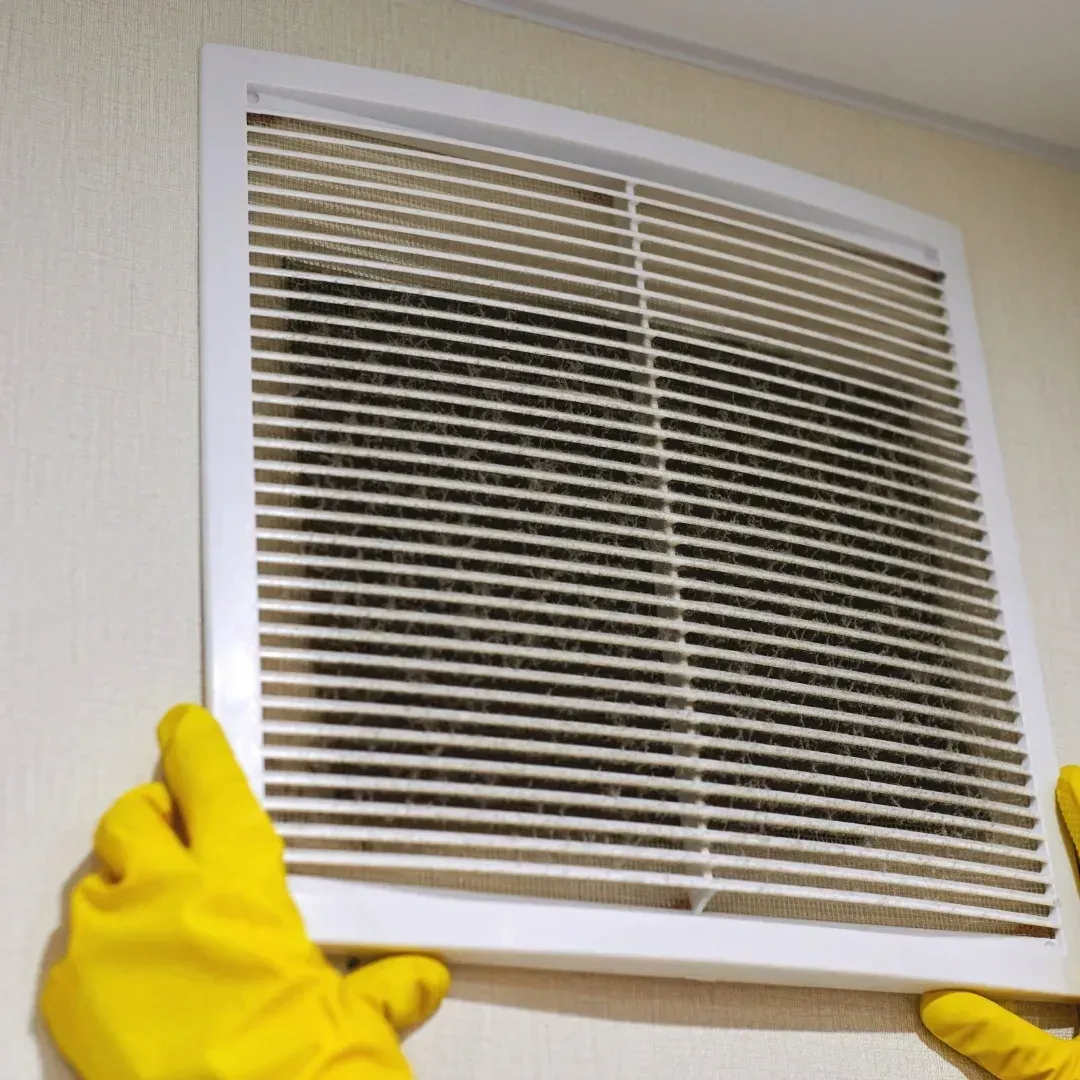
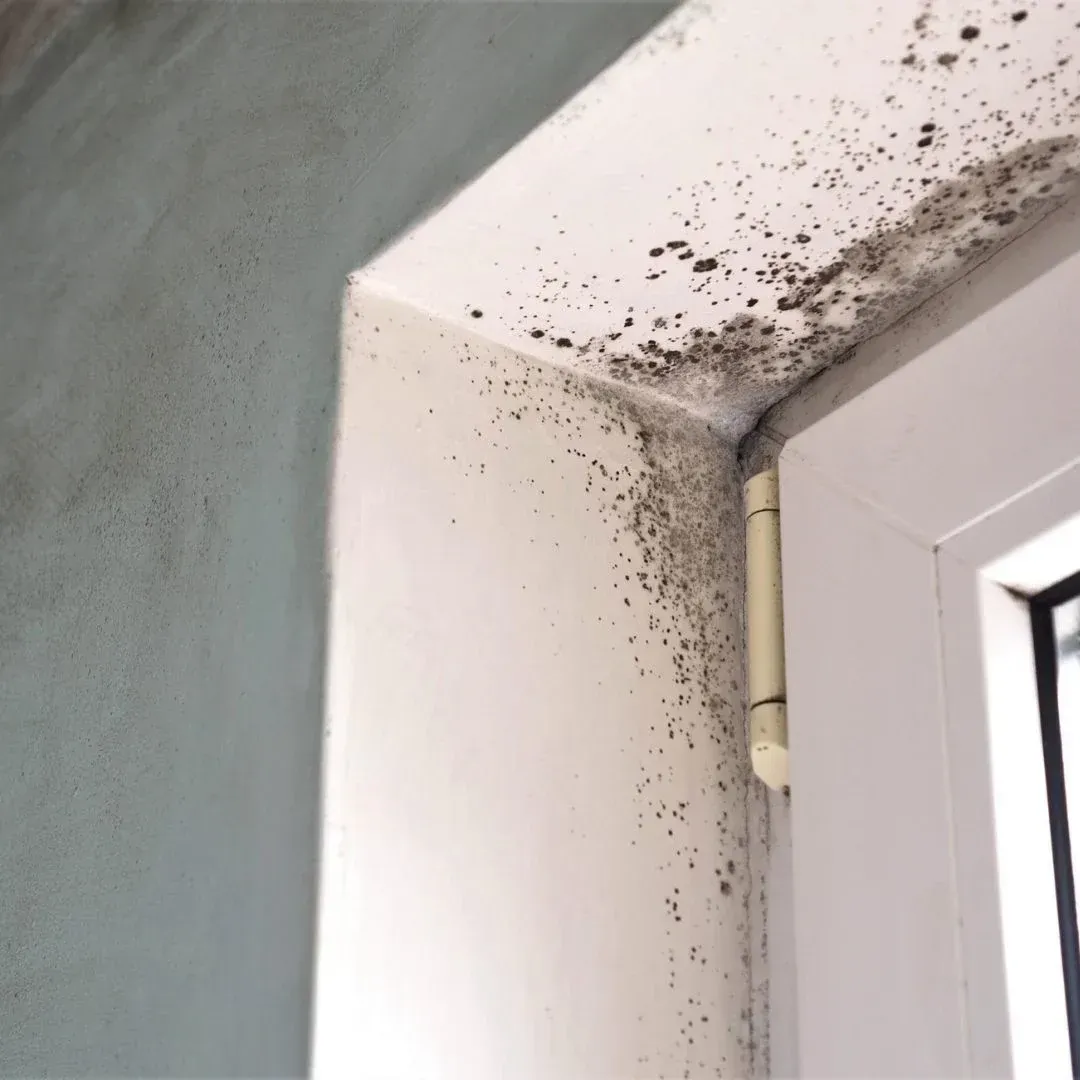
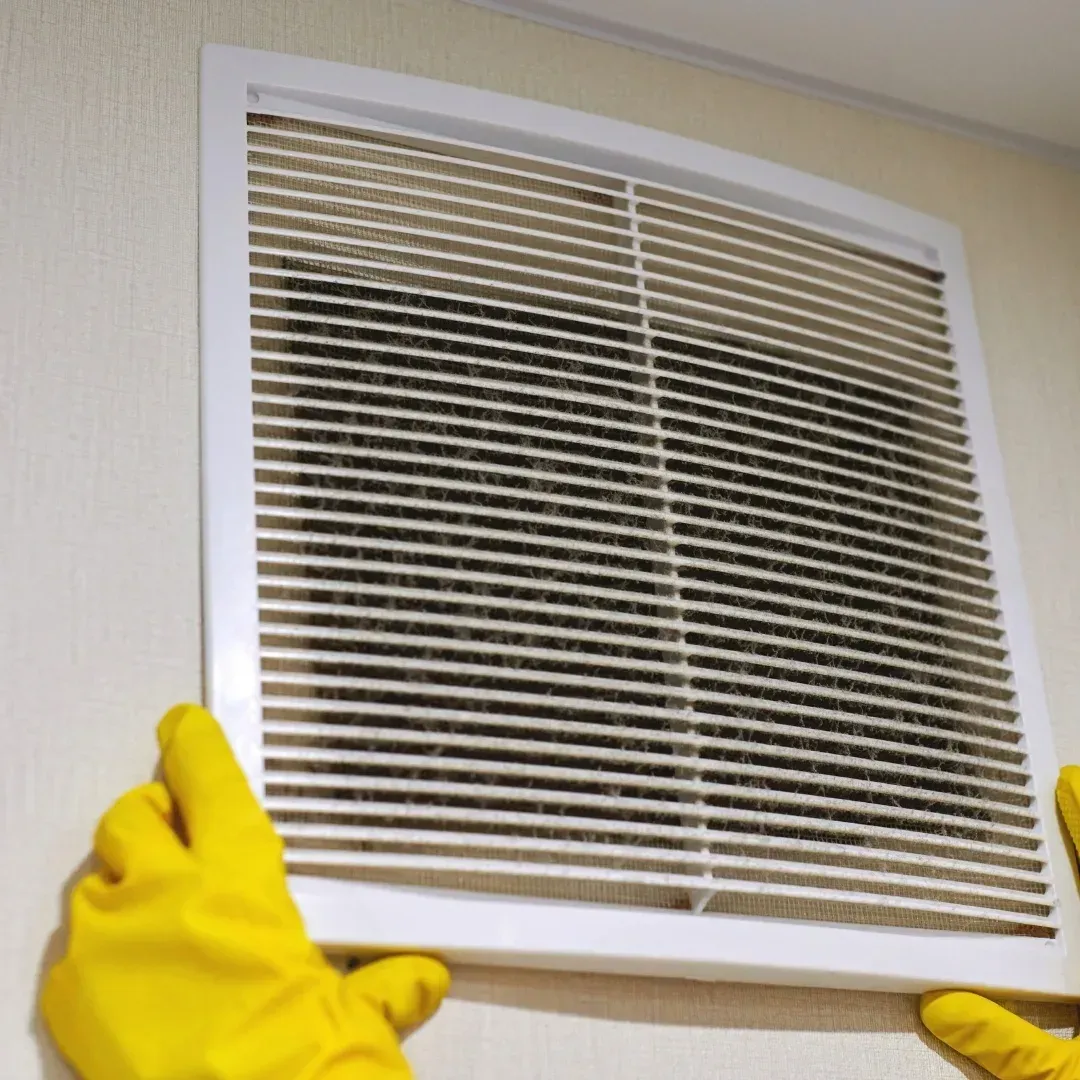
Mold can grow in HVAC components when moisture and a suitable food source are present. However, dark material on a vent or inside an accessible duct should not automatically be identified as mold.
Dust, rust, insulation fibers, soot, and ordinary staining can resemble microbial growth. A professional inspection should look for moisture conditions before recommending sampling, remediation, or duct cleaning.
Possible HVAC-related moisture sources include:
- Condensation on poorly insulated ducts
- Air leaks around duct connections
- A clogged condensate drain
- Standing water in a drain pan
- High indoor relative humidity
- Damp insulation near the air handler
- Water intrusion in an attic or crawl space
The EPA recommends keeping indoor relative humidity below 60% and preferably between 30% and 50% when practical.
Clean Aire’s mold inspection services may include a visual assessment, moisture investigation, thermal imaging when appropriate, and recommendations based on the conditions found.
When dust or debris inside the duct system is the primary concern, professional air duct cleaning may be appropriate after moisture sources and other underlying problems have been addressed.
What Signs Suggest Your Home Should Be Inspected?
Recurring moisture, odors, or unusual indoor conditions are stronger reasons for an inspection than a single isolated symptom. One sign does not prove that mold or another serious contaminant is present, but several related signs should not be ignored.
| What You Notice | Possible Concern | What an Inspector May Evaluate |
|---|---|---|
| Musty or earthy odor | Hidden moisture or microbial growth | Crawl space, walls, flooring, and HVAC areas |
| Condensation on vents or windows | High humidity or cold surfaces | Humidity, insulation, and airflow |
| Returning ceiling or wall stains | Active or recurring water intrusion | Roof, plumbing, and drainage |
| Damp or soft flooring | Crawl space moisture or leakage | Subfloor and wood moisture |
| Dust returns quickly after cleaning | Filtration, duct, or air-leakage concerns | Filter fit and accessible duct conditions |
| Warped wood flooring | Long-term moisture exposure | Crawl space and subfloor |
| Discomfort that seems worse indoors | Possible irritants or poor ventilation | Indoor conditions and appropriate testing options |
Health symptoms can have many possible causes. An indoor air quality inspection should not be treated as a medical diagnosis. Anyone experiencing persistent breathing problems, headaches, or other symptoms should speak with a qualified healthcare professional.
Review additional signs of poor indoor air quality in Hopkins, SC.
What Should a Professional Inspection Include?
A useful inspection should connect the home’s history with conditions in the crawl space, HVAC system, and occupied rooms. It should not begin with the assumption that every home needs every available test.
A professional assessment may include:
- Homeowner Interview: The inspector reviews previous leaks, repairs, odors, moisture events, comfort concerns, and when problems are most noticeable.
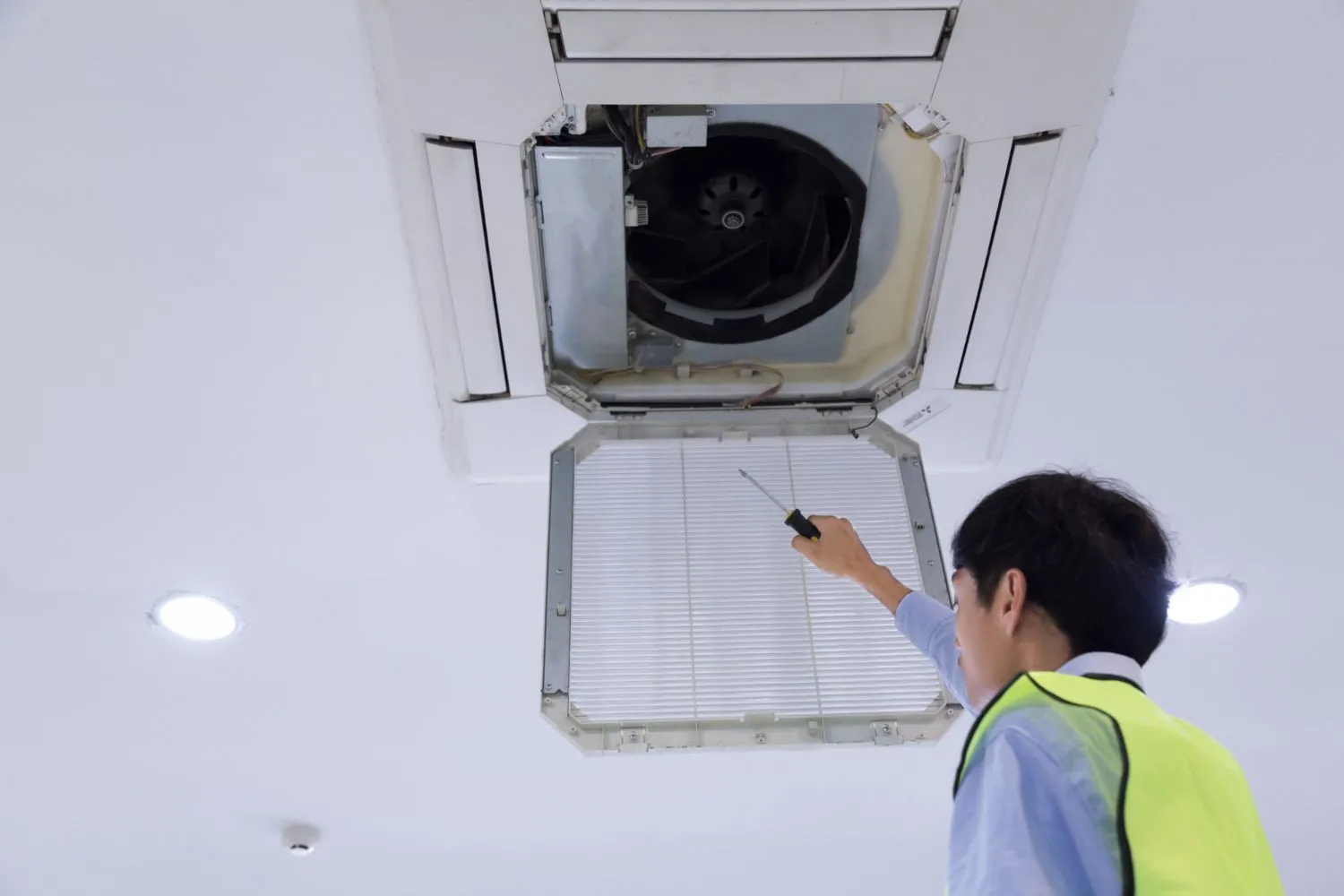
- Visual Inspection: Accessible rooms, crawl spaces, HVAC areas, ducts, and moisture-prone locations are examined.
- Moisture Measurements: Indoor humidity and moisture levels in affected building materials may be checked.
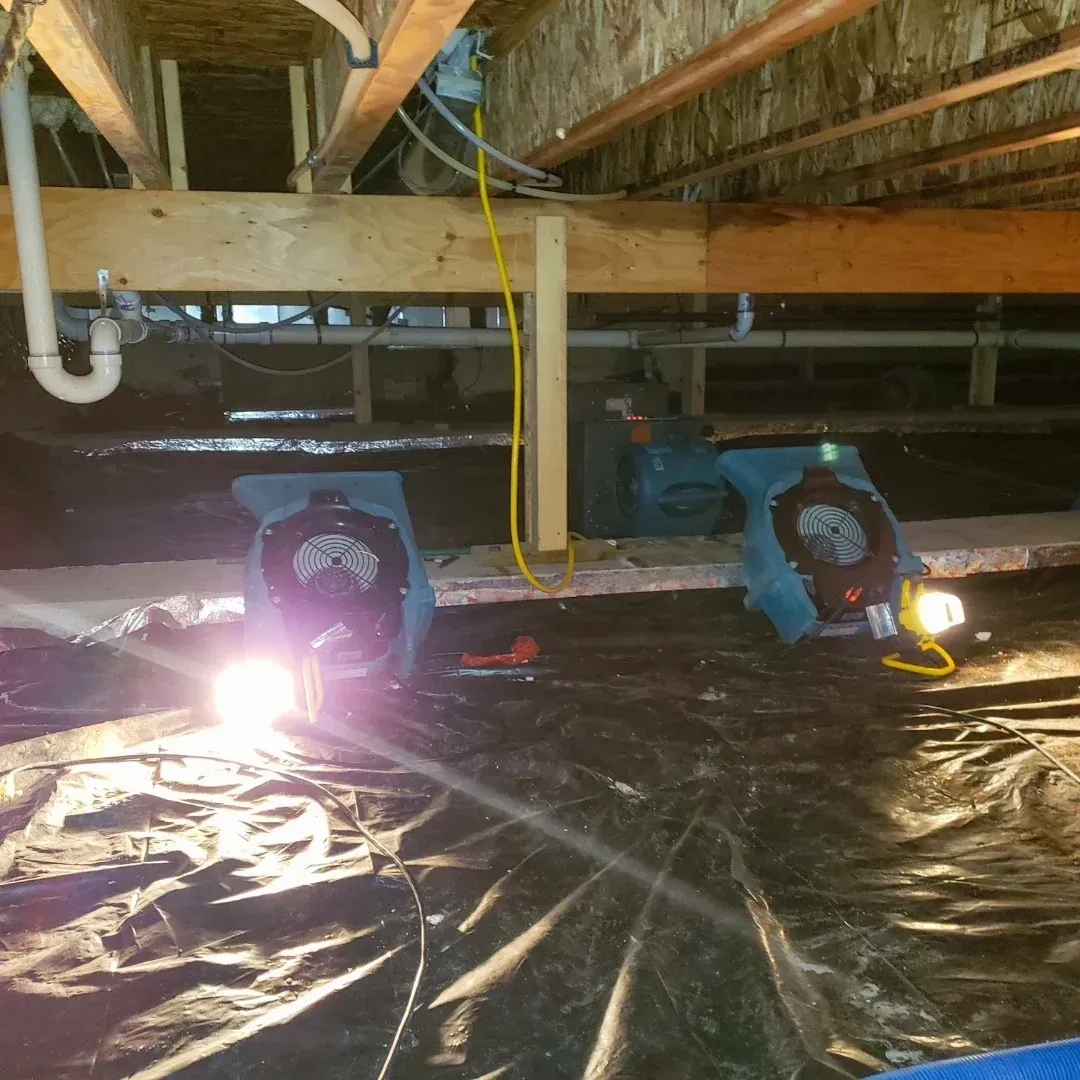
- Crawl Space Assessment: The inspector looks for standing water, bare soil, drainage problems, plumbing leaks, damaged insulation, and visible growth.
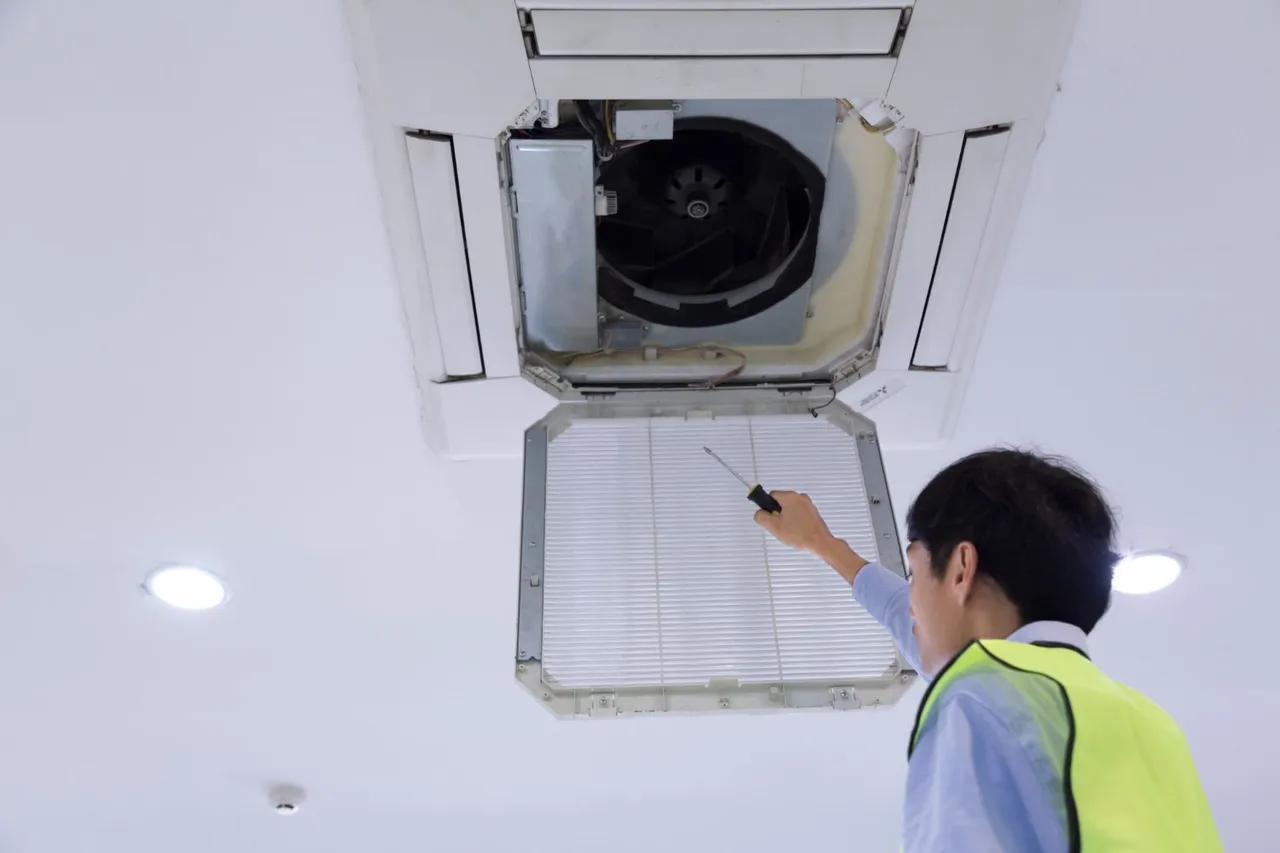
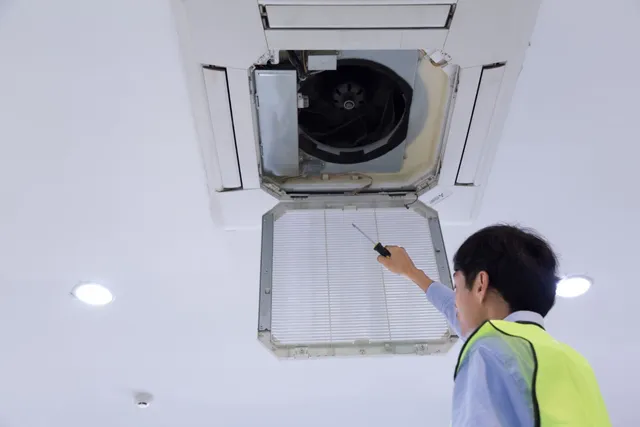
- HVAC Evaluation: Accessible components are checked for condensation, damaged insulation, drainage problems, debris, and possible air leakage.
- Targeted Testing (When Justified): Sampling or monitoring may be recommended when the building history and inspection findings indicate that testing would provide useful information.
- Written Findings and Priorities: The homeowner should receive understandable recommendations explaining what needs immediate attention and what can be monitored.
An inspection does not automatically require sampling every room or testing for every possible pollutant.
Testing should be selected based on the building history, visible conditions, moisture findings, and occupants’ concerns.
Can a MERV 13 Filter Improve Indoor Air Quality?
A MERV 13 filter can capture smaller airborne particles more effectively than many basic filters, but it is not appropriate for every HVAC system. The system must be able to handle the filter’s airflow resistance.
ASHRAE recommends MERV 13 filtration where the equipment can accommodate it. Installing a filter that is too restrictive may reduce airflow, affect comfort, and place unnecessary strain on the system.
Before upgrading:
- Confirm the correct filter dimensions.
- Ask an HVAC professional whether the system can support MERV 13.
- Make sure the filter fits tightly without air bypassing it.
- Replace it according to system needs and household conditions.
- Continue monitoring indoor humidity.
A better filter may reduce some airborne particles, but it cannot repair a leak, dry a damp crawl space, correct drainage, or identify hidden moisture.
Filtration works best as part of a larger source-control plan.
What Should Happen After the Inspection?
The source of the problem should be corrected before cosmetic cleaning or equipment upgrades begin. Covering an odor or wiping away a stain will not solve an active moisture problem.
A practical order of work is:
- Stop leaks and water intrusion.
- Improve foundation drainage where needed.
- Correct crawl space moisture conditions.
- Repair condensate drains and HVAC moisture problems.
- Seal or insulate damaged ductwork.
- Address affected building materials appropriately.
- Clean ducts when inspection findings justify it.
- Upgrade filtration or ventilation when compatible with the home.
- Monitor humidity and confirm that corrective work was effective.
This source-first approach lowers the chance that odors, staining, or contamination will quickly return.
Why Hopkins Homeowners Choose Clean Aire, Inc.
Clean Aire, Inc. is based in Hopkins and has served homeowners and businesses since 1991. Our services include indoor air quality assessments, moisture and mold testing, mold inspections, monitoring, duct cleaning, and testing before and after mold remediation.
Working with a local company can also be helpful because the team understands the moisture, crawl space, and HVAC concerns commonly found in Hopkins and the Columbia Midlands.
Take Action Before Moisture Problems Get Worse This Summer
Musty odors, damp crawl spaces, condensation, and recurring stains rarely correct themselves. The longer moisture remains in a home, the greater the chance that it will affect insulation, flooring, ductwork, comfort, and indoor air conditions.
A professional indoor air quality inspection in Hopkins, SC can help you understand what is happening now and which steps should come next.
Contact Clean Aire, Inc. or call
(803) 776-1117 to schedule an indoor air quality, moisture, mold, or crawl space assessment this summer.
FAQs About Indoor Air Quality Inspection
How do I know whether my crawl space is affecting my indoor air?
Common warning signs include musty odors on the first floor, damp flooring, elevated humidity, condensation, and recurring moisture. An inspection can evaluate drainage, soil vapor, leaks, insulation, visible growth, and wood moisture.
How often should I schedule an indoor air quality inspection?
There is no required schedule for every home. Consider an inspection after water damage, when odors or humidity return, before major renovations, when buying a home, or whenever indoor conditions noticeably change.
Can a MERV 13 filter replace an indoor air quality inspection?
No. A filter may capture some airborne particles, but it cannot identify a wet crawl space, plumbing leak, damaged duct insulation, drainage issue, or the source of an odor.
Does dark material on a vent always mean mold?
No. Dark material may be dust, soot, rust, insulation fibers, or staining. An inspection can determine whether moisture is present and whether further testing or cleaning is justified.
Should duct cleaning happen before or after a mold inspection?
When mold or moisture is suspected, the inspection should generally happen first. Identifying and correcting the source helps prevent dampness or contamination from returning after the ducts are cleaned.