Poor indoor air quality in a Hopkins, SC home may show up as
musty odors, frequent allergy-like symptoms, fast dust buildup, visible mold or moisture stains, high humidity, weak airflow, or dirty smells from the HVAC system. If these signs keep coming back,
professional indoor air quality testing can help identify the source and guide the right next step.
Many homeowners notice something feels “off” before they know what is causing it. The air may feel heavy, rooms may smell stale, or dust may return right after cleaning. In a humid area like Hopkins, indoor air quality problems can be connected to moisture, mold concerns, pollen, dirty ducts, or poor ventilation.
Below are 7 signs to watch for and when to call Clean Aire, Inc. for indoor air quality services in Hopkins, SC.
What Does Poor Indoor Air Quality Mean?
Poor indoor air quality means the
air inside your home may contain too much dust, moisture, odors, allergens, mold spores, or other particles. These issues can affect how clean, fresh, and comfortable your home feels.
Common sources include
dirty ductwork, poor airflow, excess humidity, pet dander, pollen, mold growth, and moisture in bathrooms, crawl spaces, laundry rooms, or attics. Because several problems can cause similar signs, testing and inspection are often better than guessing.
1. You Notice Musty or Lingering Odors
A musty or lingering odor is one of the clearest signs that your home may have an indoor air quality issue.
If the smell returns after cleaning, it may be coming from moisture, mold, poor ventilation, or dirty ducts.
What This May Look Like
You may notice a
damp smell in a bedroom, bathroom, closet, laundry room, or near an air vent. The odor may get stronger after rain, when the HVAC system runs, or when a room has been closed for a while.
For example, if a guest room smells musty every time the air conditioner turns on, the issue may not be the room itself. The odor could be moving through the duct system or coming from hidden moisture, so it’s best to schedule
mold inspection services.
2. Allergy-Like Symptoms Feel Worse Indoors
If sneezing, coughing, congestion, irritated eyes, or headaches seem worse inside your home, indoor air may be part of the problem. This does not mean your home is definitely causing symptoms, but it is a sign worth checking.
What Could Be in the Air?
Indoor triggers may include
dust, pollen, pet dander, mold spores, poor filtration, or particles moving through the HVAC system. Hopkins homeowners may also bring outdoor pollen inside during heavy allergy seasons, where it can settle into carpets, furniture, and ducts.
A helpful pattern to notice is whether symptoms improve when you leave the home. If you feel better outside or away from certain rooms, the indoor environment may need closer attention.
3. Dust Builds Up Quickly After Cleaning
Fast dust buildup can point to home air quality issues Hopkins homeowners should not ignore.
If furniture, vent covers, ceiling fans, and floors look dusty again within a few days, dust may be circulating through the home.
Quick Dust Checklist
4. You See Mold, Staining, or Moisture
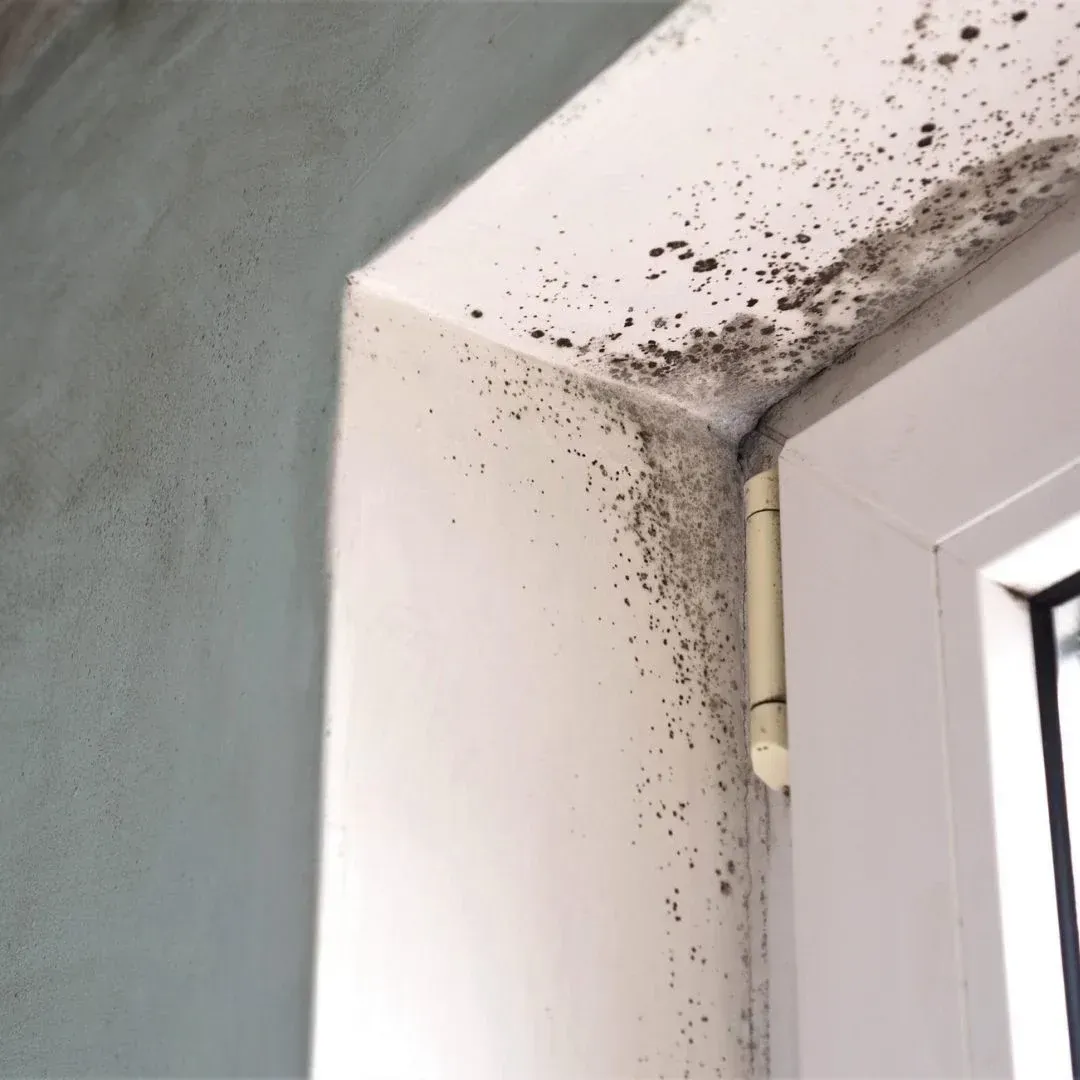
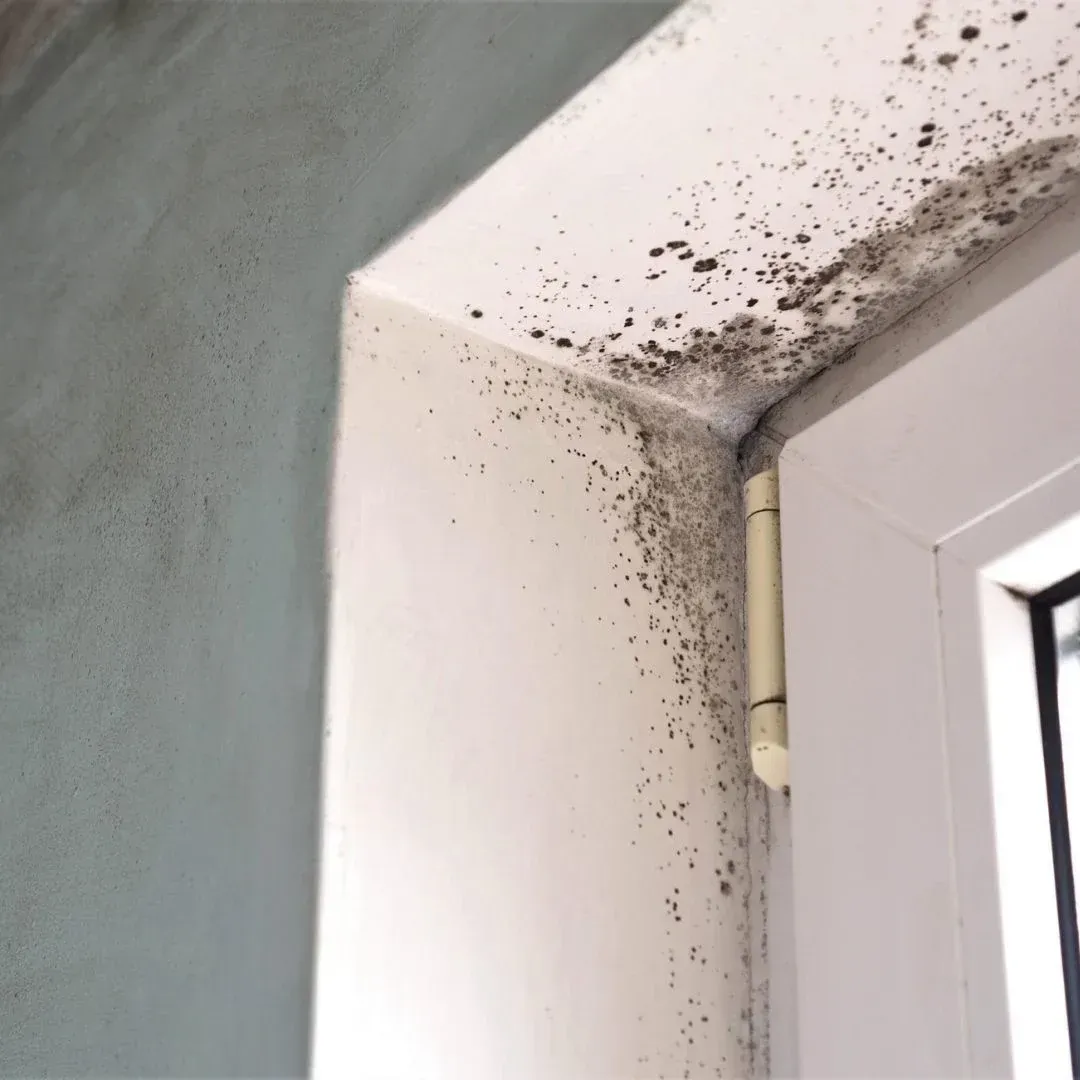
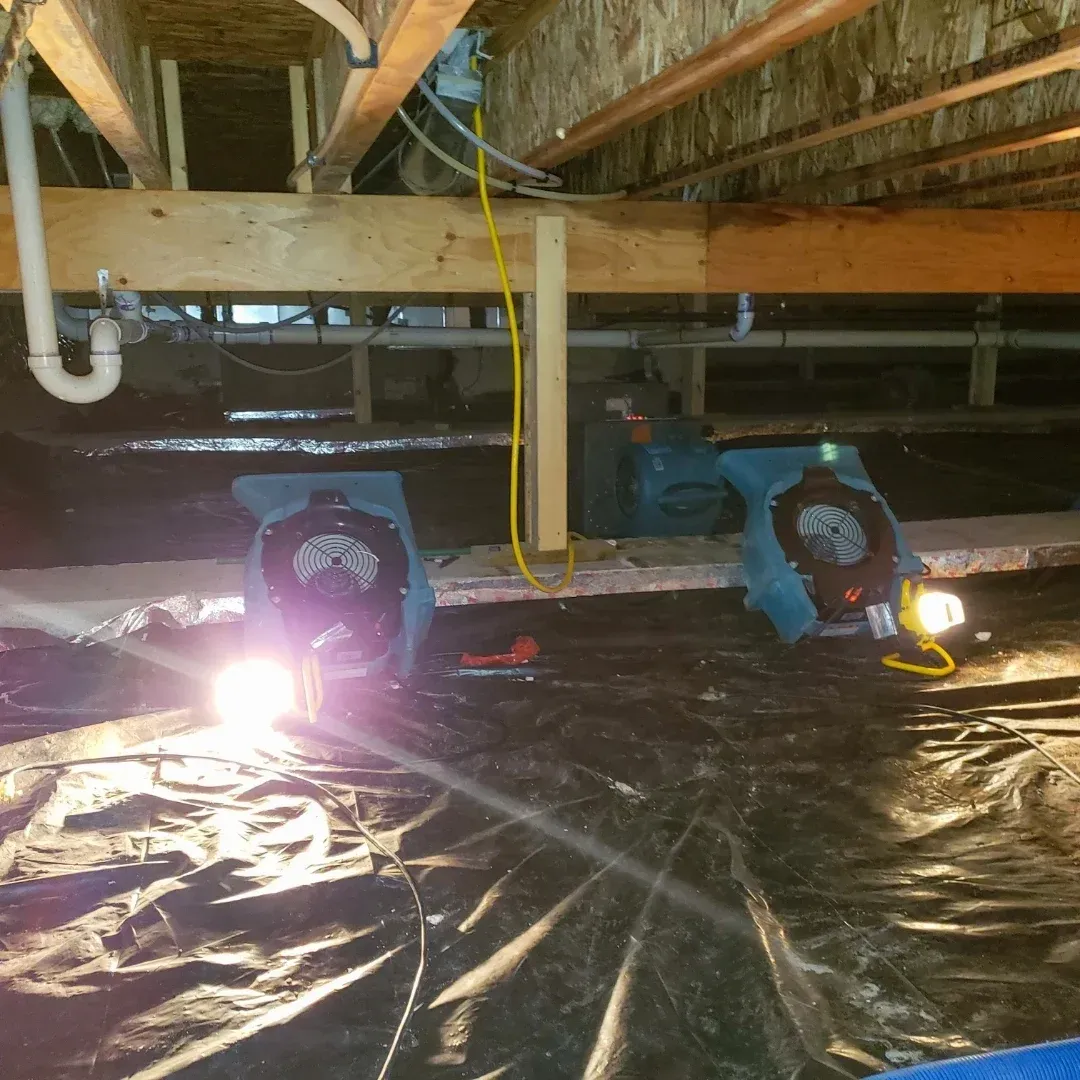
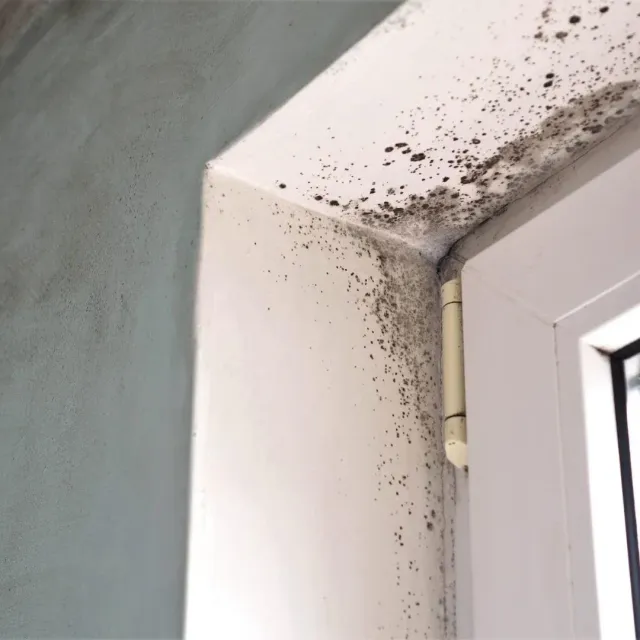
Visible mold-like growth, water stains, damp drywall, or condensation can be a warning sign of poor indoor air quality. Moisture problems can support mold and mildew, which may affect how your home smells and feels.
Where to Look
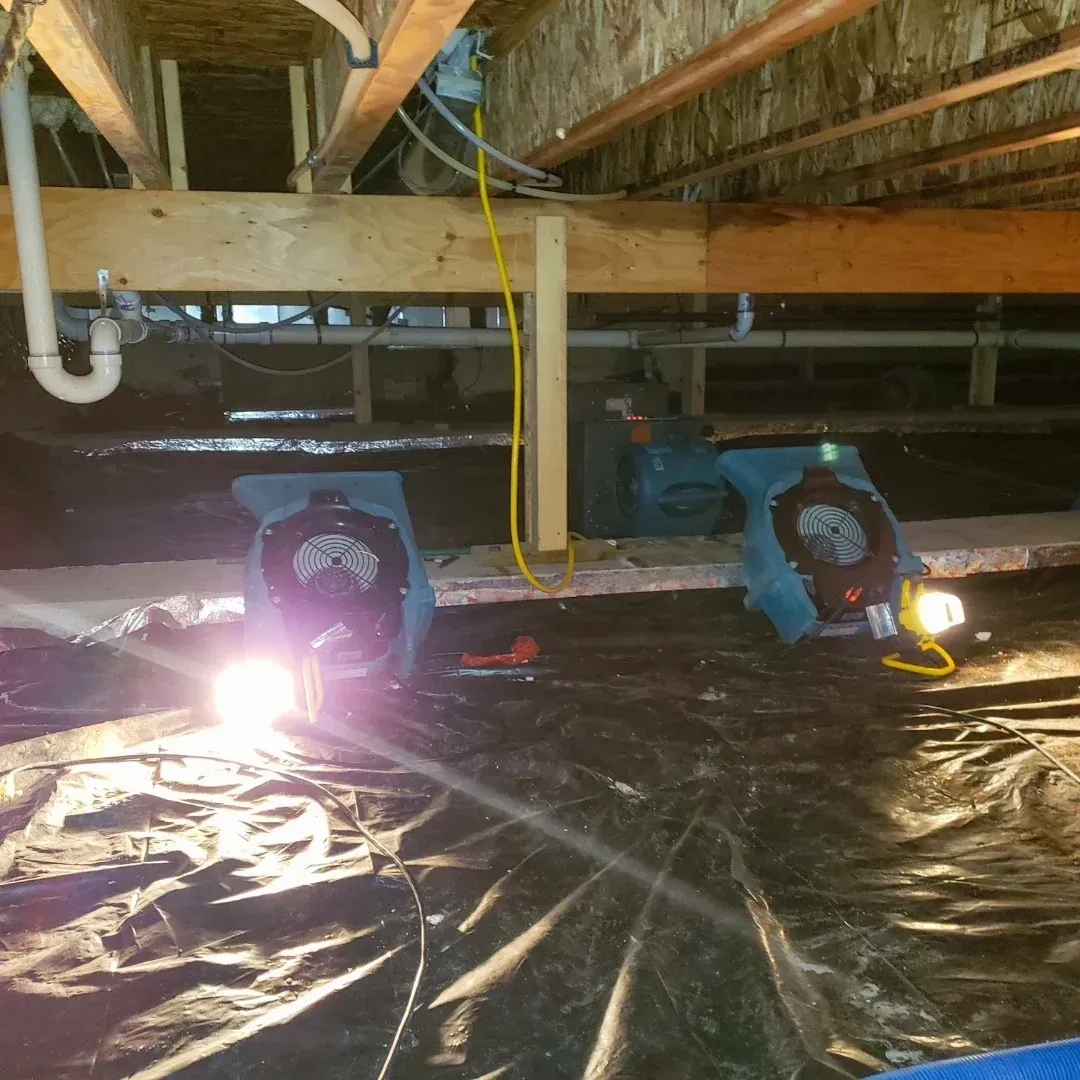
Check bathrooms, kitchens, laundry rooms, crawl spaces, attics, around windows, under sinks, and near HVAC vents.
A small stain near a ceiling vent may seem cosmetic, but it can signal a moisture issue that needs attention.
In Hopkins, SC, humidity can make moisture problems more noticeable, especially in areas with limited airflow. If you see staining or smell a musty odor in the same area, a
mold inspection can help locate the source.
5. Your Home Feels Humid, Damp, or Stale
A home that feels humid, damp, or stale may have an indoor moisture or ventilation problem. This can make rooms feel uncomfortable even when the HVAC system is running.
Humidity vs. Ventilation
High humidity often feels sticky or heavy. Poor ventilation often makes rooms smell stale or closed-in. Both can contribute to indoor air quality problems.
Because Hopkins has warm, humid weather for much of the year, indoor moisture control matters. If one area always feels damp or stale, it may need professional evaluation.
6. Airflow Feels Weak or Uneven
Weak or uneven airflow can affect indoor air quality because air is not moving through the home properly.
Some rooms may feel stuffy, dusty, humid, or harder to cool.
Common Signs
7. Your HVAC System or Vents Smell Dirty
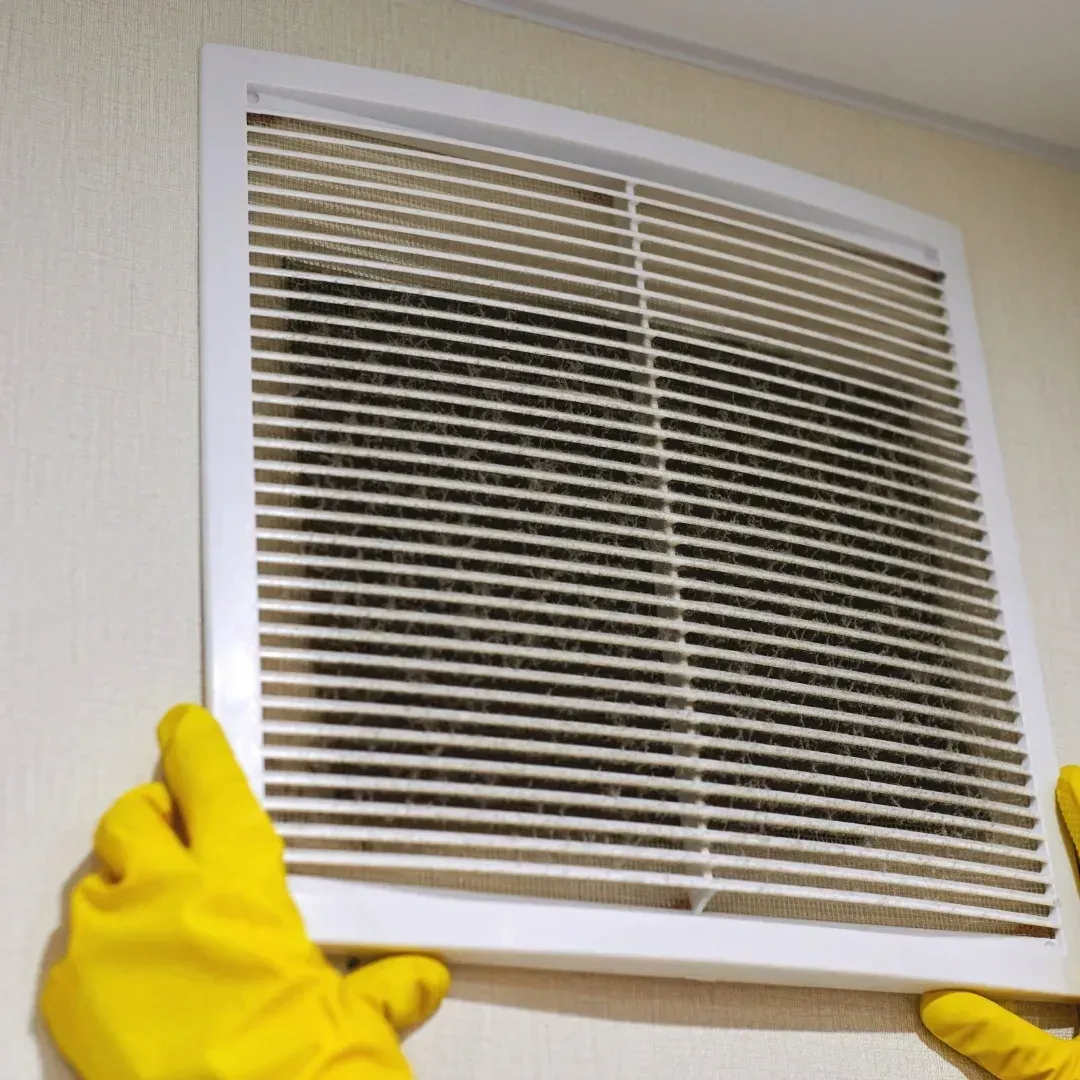
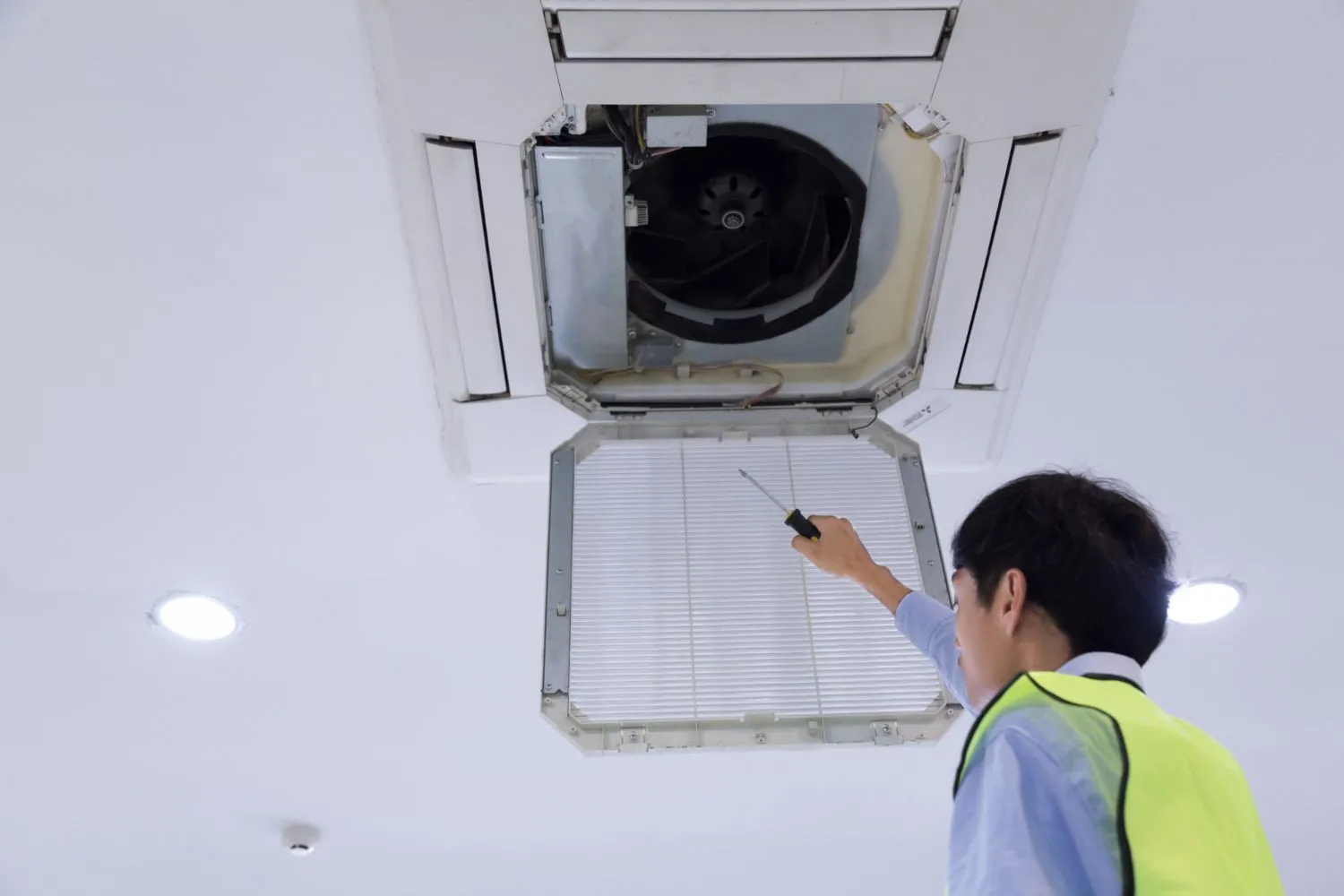
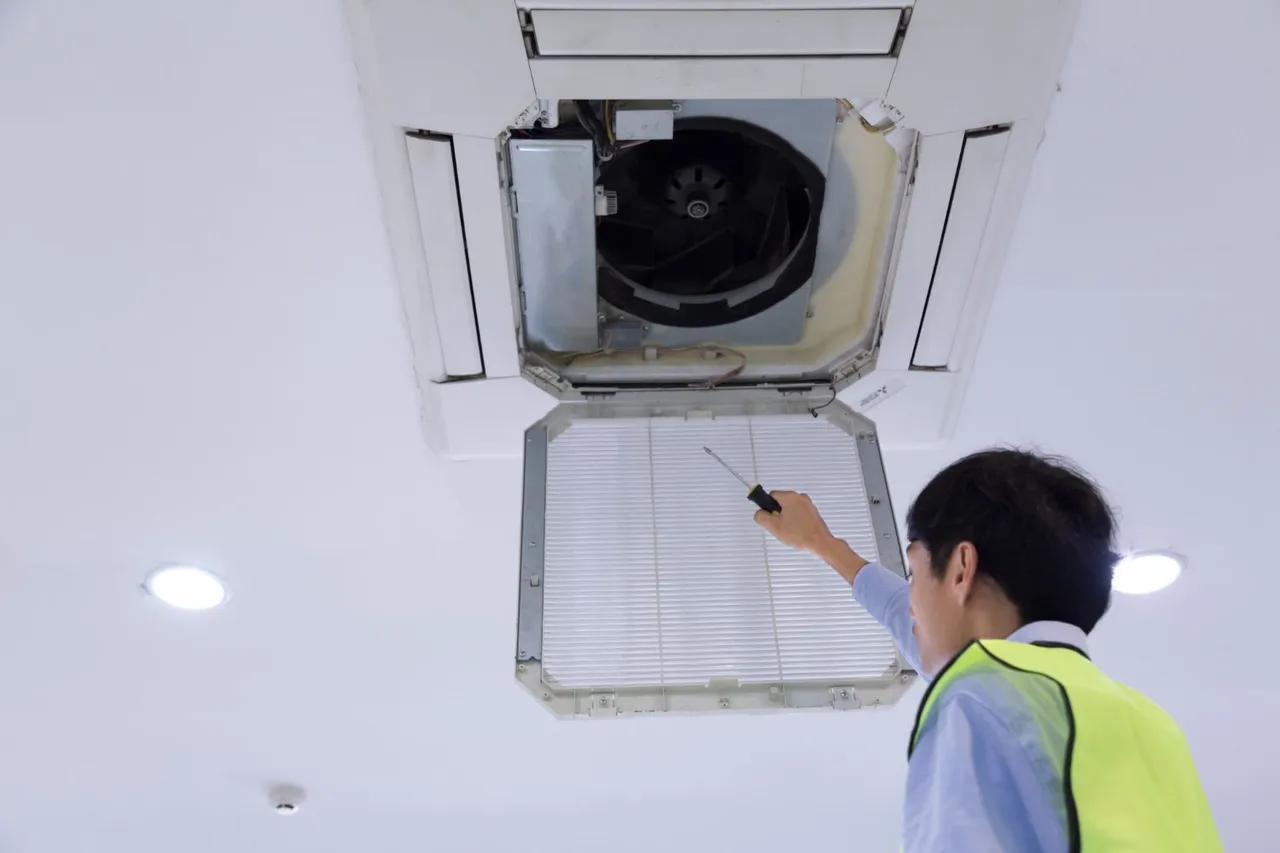
If your vents smell dusty, musty, or dirty when the HVAC system turns on, your air distribution system may need attention. Since your HVAC system moves air through the home every day, odors or buildup inside the system can spread through living spaces.
When This Sign Matters
A brief smell after a long shutdown may not always mean a major problem. But
if the odor returns often, appears in multiple rooms, or comes with dust around vents, it is worth checking.
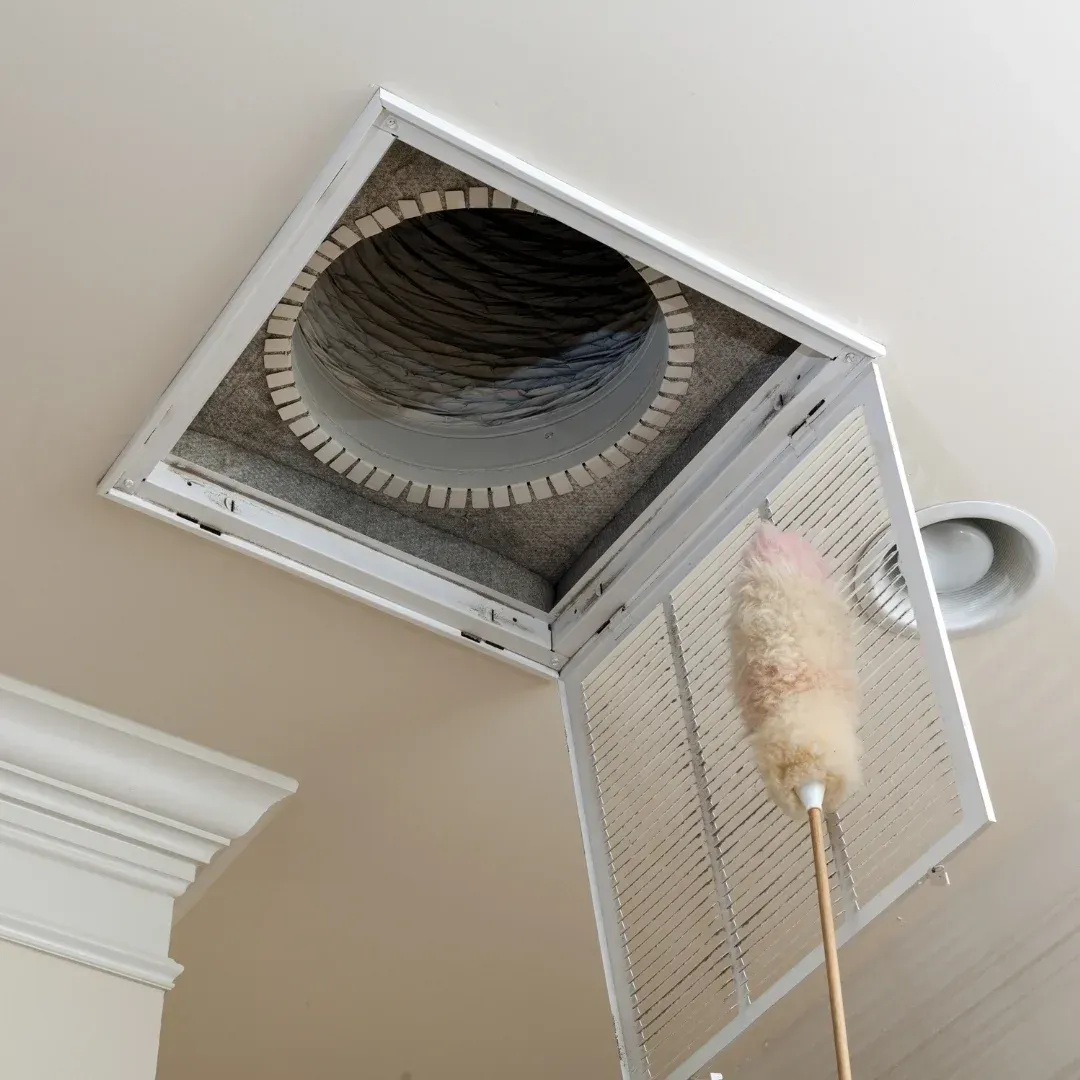
Duct cleaning may help if dust, debris, pet dander, or buildup inside the ductwork is contributing to dirty airflow. If the odor smells musty, moisture or mold concerns should also be considered.
Indoor Air Quality Warning Signs Checklist
Use this quick checklist to decide whether your home may need indoor air quality solutions in Hopkins.
When Should You Schedule Indoor Air Quality Testing?
You should schedule indoor air quality testing when odors, dust, moisture, symptoms, or airflow issues keep coming back.
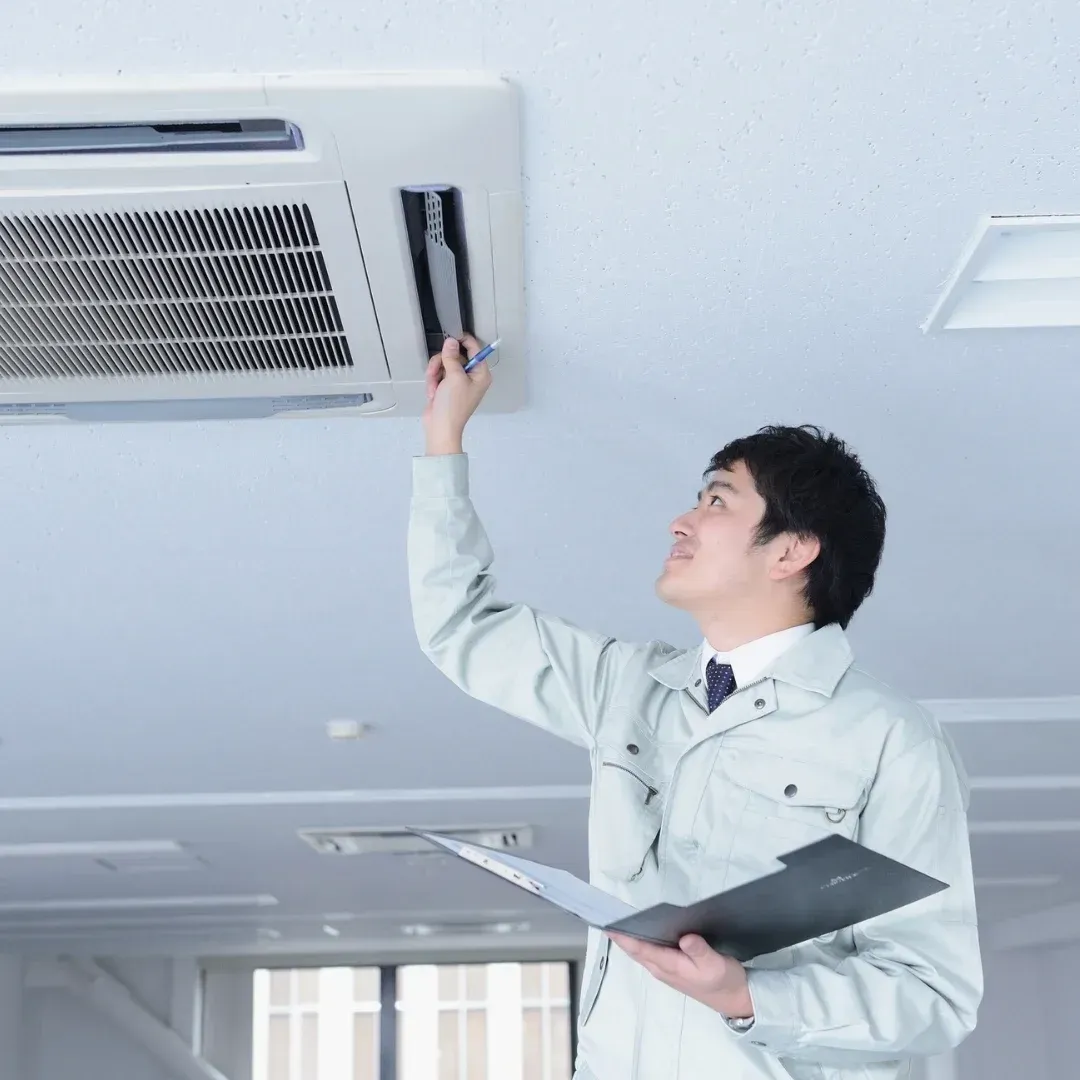
Testing can
help identify sources of poor air quality instead of relying on guesswork.
Several problems can look similar. A musty odor may come from moisture, mold, poor airflow, or duct buildup. A dusty home may need better filtration, duct cleaning, or another solution.
Clean Aire, Inc. helps homeowners evaluate indoor air quality problems in Hopkins, SC and choose practical next steps. Call
(803) 776-1117 for indoor air quality services.
How Clean Aire, Inc. Helps Hopkins, SC Homeowners