CIRS Testing: What Hopkins, SC Homeowners Need to Know
Share this article
When unexplained symptoms seem worse inside your home, it may be worth investigating whether hidden moisture, mold, or another indoor environmental condition is present. CIRS-focused environmental testing can help identify conditions associated with water-damaged buildings, including hidden mold growth and contamination that a basic visual inspection may not uncover.
However, environmental testing cannot diagnose Chronic Inflammatory Response Syndrome, or CIRS. Your doctor evaluates your health, while an indoor environmental professional investigates what may be happening inside your home.
For homeowners in Hopkins, South Carolina, acting quickly matters.
Warm temperatures, humid outdoor air, crawl-space moisture, plumbing leaks, and HVAC condensation can allow a small moisture problem to spread before you see obvious damage.
What Is CIRS?
CIRS is a term used by some healthcare professionals to describe a chronic inflammatory illness associated with exposure to water-damaged buildings and other environmental sources.
Symptoms commonly reported by people being evaluated for CIRS may include:
- Persistent fatigue
- Difficulty concentrating or “brain fog”
- Headaches
- Respiratory discomfort
- Muscle or joint pain
- Unusual sensitivity to light or odors
These symptoms can also be caused by many other medical conditions. If you are experiencing ongoing or serious symptoms, speak with a qualified healthcare provider.
The Centers for Disease Control and Prevention reports that damp buildings may be associated with respiratory symptoms, asthma complications, allergic rhinitis, hypersensitivity pneumonitis, and other health concerns. You can review the CDC’s information about
health problems associated with damp buildings.
Why Water-Damaged Buildings Matter in Hopkins
Water-damaged buildings matter because moisture can support mold growth and damage drywall, flooring, insulation, wood, and HVAC materials.
In Hopkins and the surrounding Midlands, moisture problems may develop from:
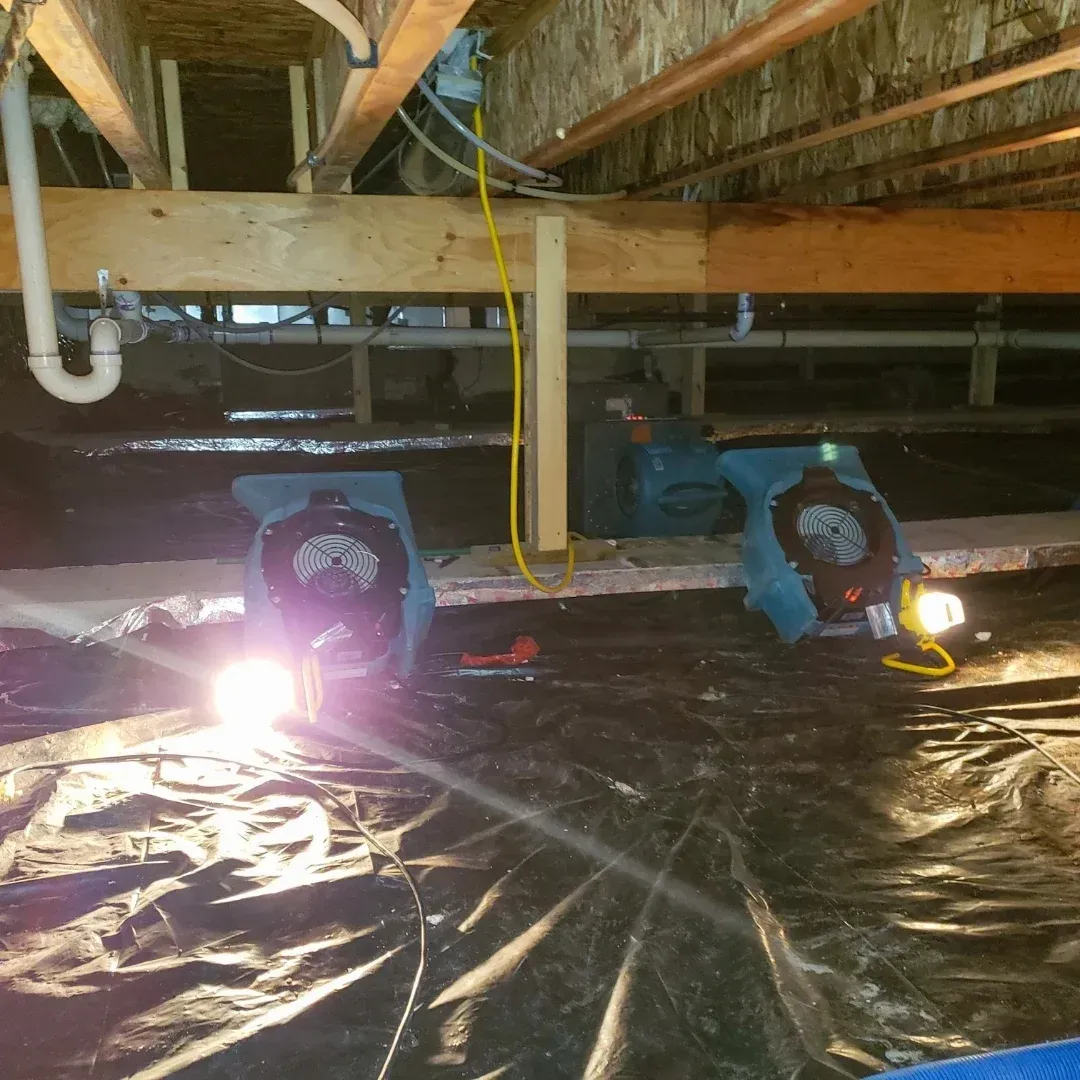
- Damp or poorly ventilated crawl spaces
- Roof and plumbing leaks
- Flooding or storm damage
- Air-conditioning condensation
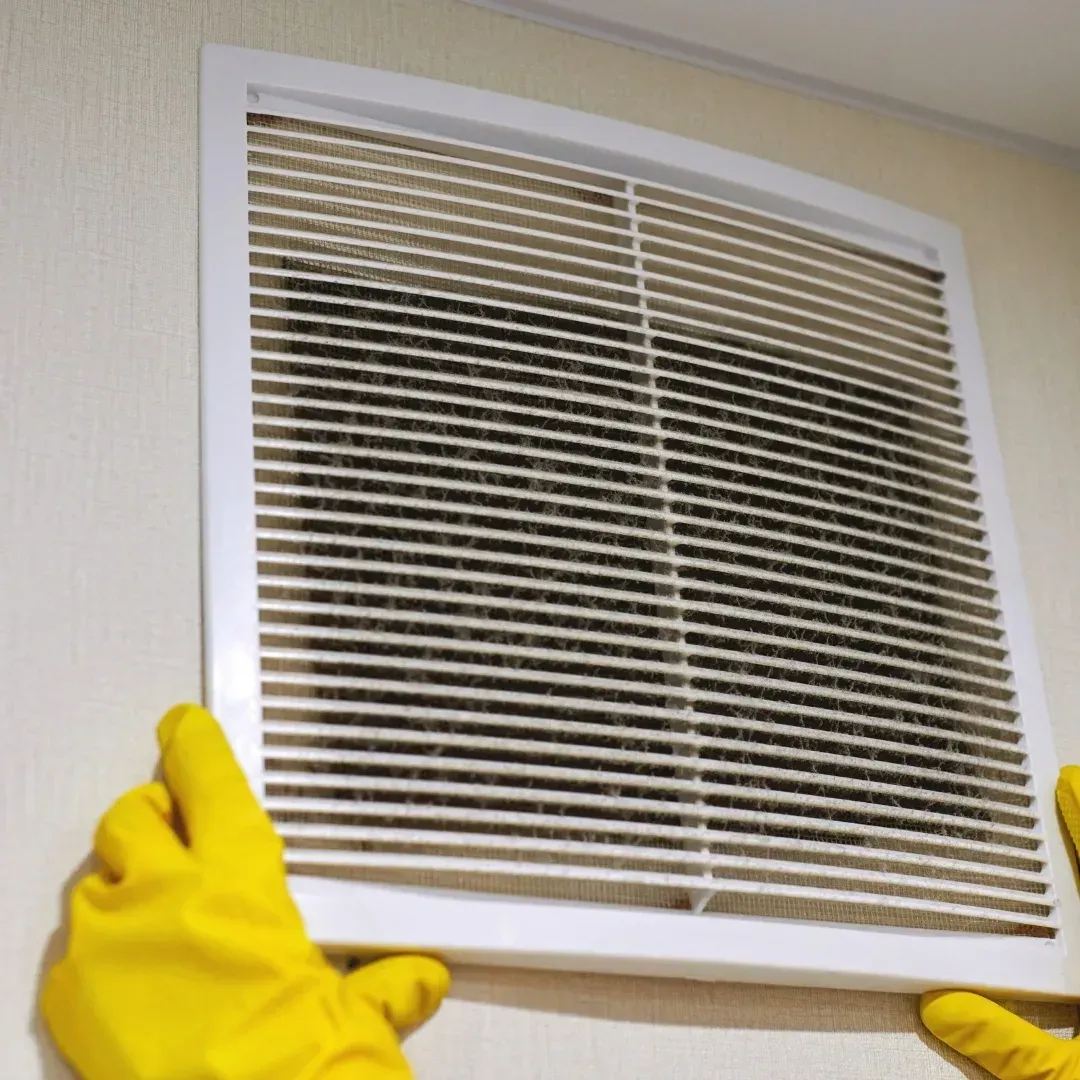
- Damaged or sweating ductwork
- Poor drainage around the foundation
- High indoor humidity
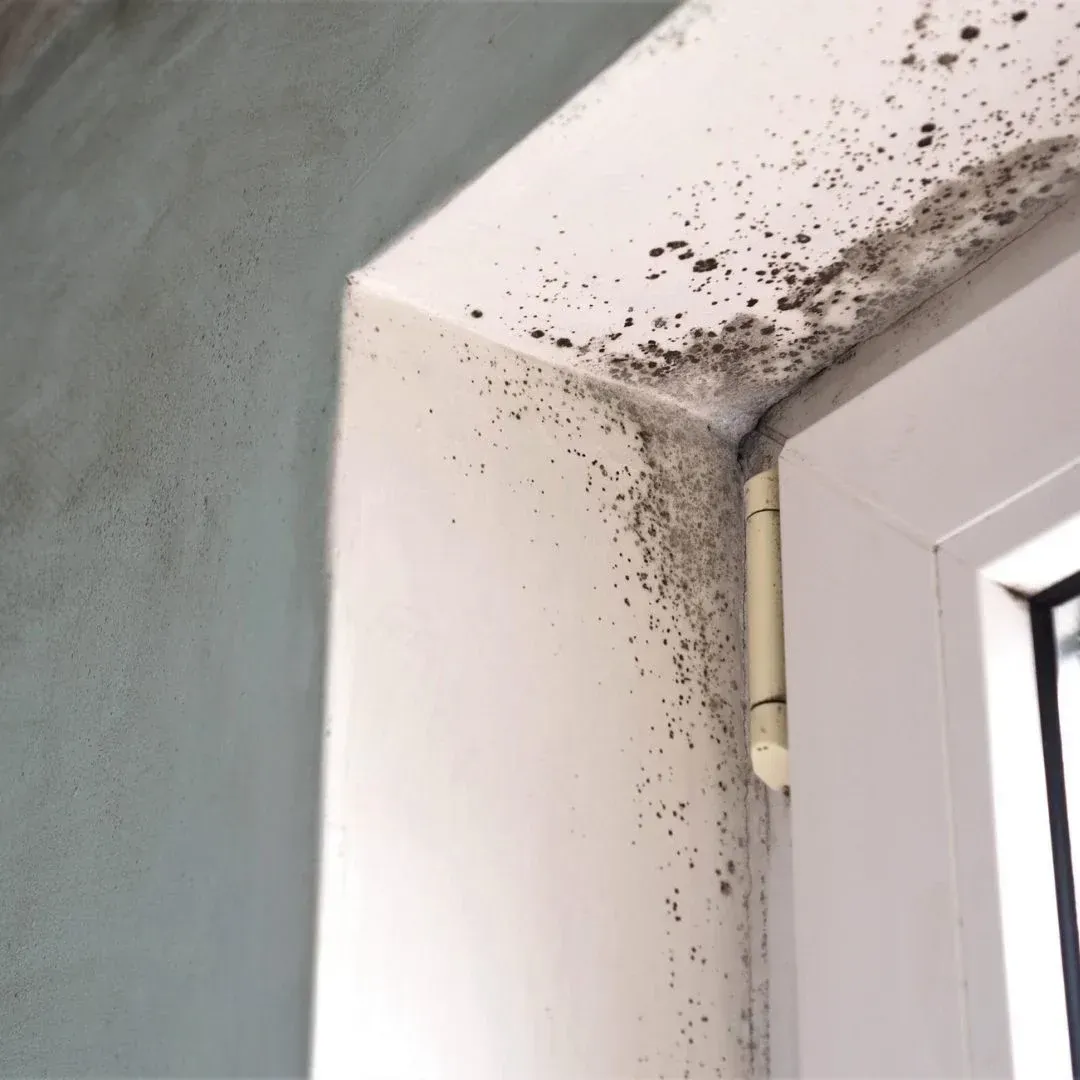
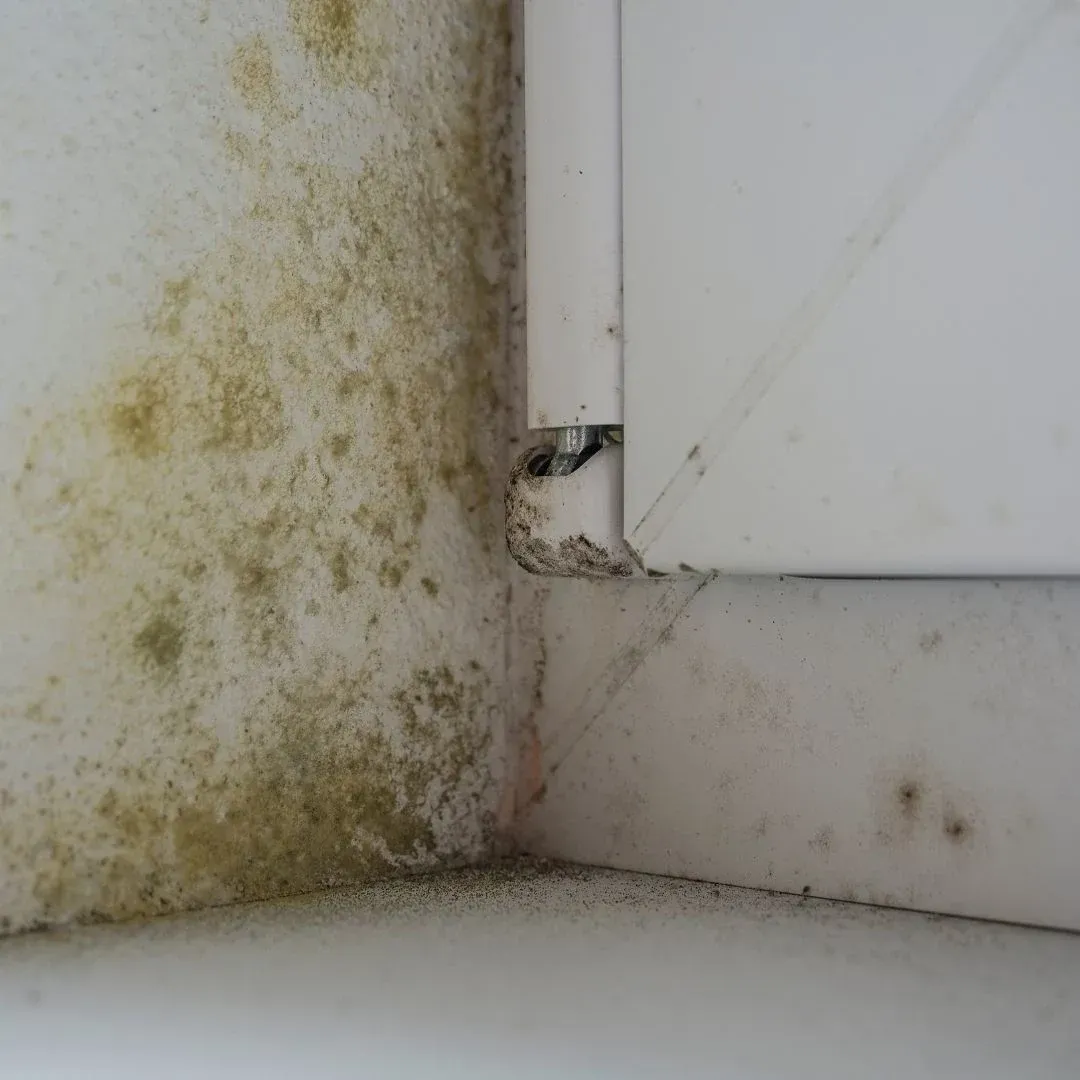
You do not need to see a large patch of mold to have a problem. Moisture and microbial growth may be hidden beneath flooring, behind walls, inside crawl spaces, around HVAC equipment, or under insulation.
Warning signs may include musty odors, recurring stains, warped floors, condensation, damp insulation, or rooms that consistently feel humid. Our guide to the signs of poor indoor air quality in Hopkins, SC explains other conditions you should watch for.
For seasonal concerns, review our guide to an indoor air quality inspection for Hopkins homes during summer.
What Does CIRS-Focused Environmental Testing Include?
A CIRS-focused environmental assessment examines your building for conditions that may be connected to water damage, mold, or indoor contamination.
The process may include:
| Assessment | What It Helps Identify |
|---|---|
| Building history | Previous leaks, flooding, repairs, odors, and recurring moisture |
| Visual inspection | Water staining, damaged materials, condensation, or suspected growth |
| Moisture testing | Elevated moisture in wood, walls, flooring, or other materials |
| Humidity measurements | Indoor conditions that may support condensation or mold growth |
| Crawl-space evaluation | Ground moisture, drainage problems, leaks, insulation, and wood conditions |
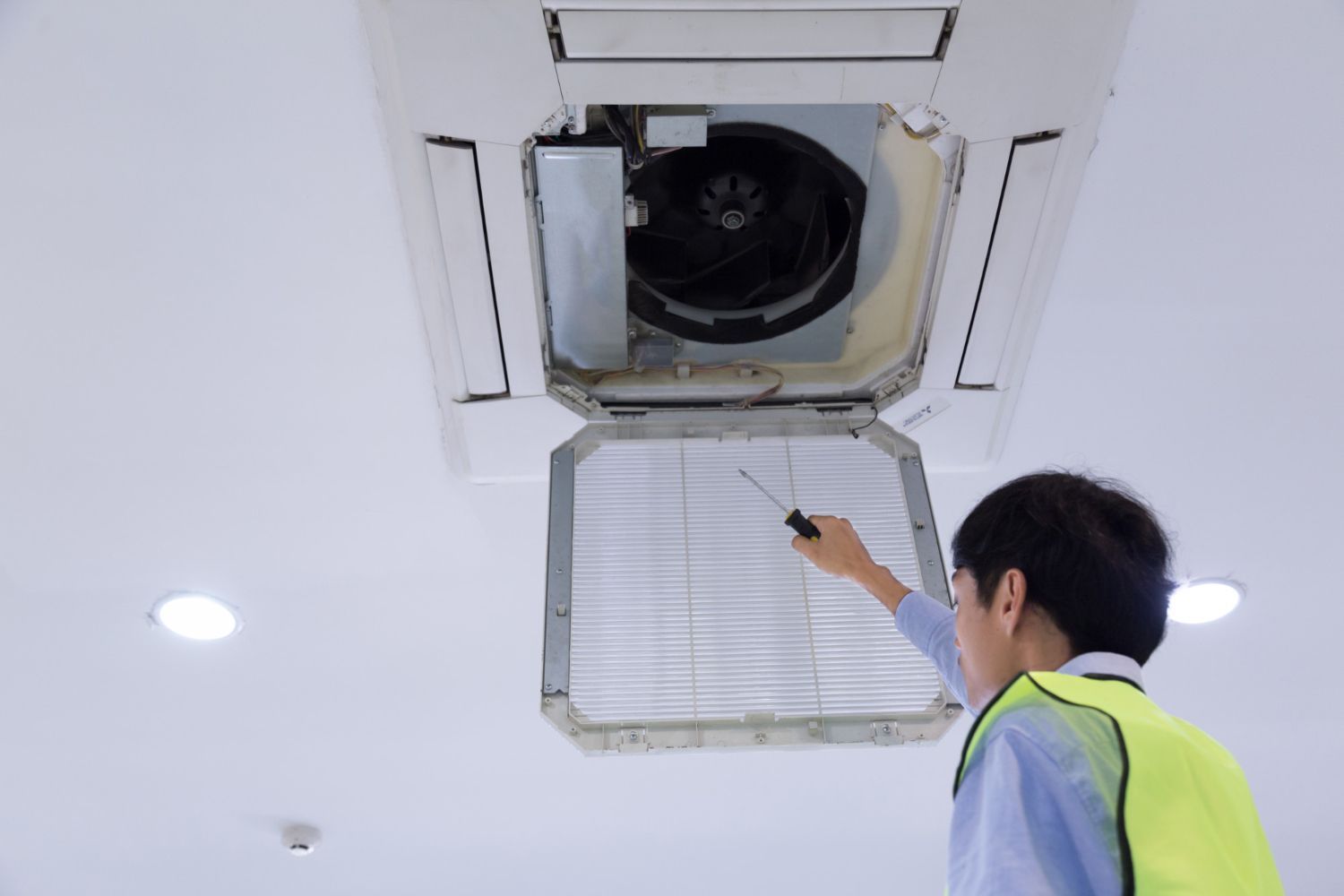
| HVAC inspection | Drainage issues, debris, condensation, and accessible duct conditions |
| Targeted sampling | Specific concerns that cannot be resolved through inspection alone |
| Written report | Findings, priorities, and recommended next steps |
The inspection should guide the testing instead of the other way around. Collecting samples without first understanding the building can produce numbers without explaining where the problem is or how to correct it.
A broader indoor air quality assessment for your Hopkins home may also help identify ventilation, humidity, filtration, and HVAC concerns.
Why Can a Basic Air Sample Be Incomplete?
A basic air sample captures particles floating in a specific area during a short testing period. It may be helpful in certain situations, but it cannot reveal every past or present condition in your home.
Results can change based on:
- Whether the HVAC system is running
- Open doors or windows
- Outdoor mold conditions
- Recent cleaning or construction
- Weather and humidity
- Sampling location
- Hidden or settled contamination
A normal-looking air sample does not automatically rule out moisture damage behind a wall or beneath a floor. Likewise, an elevated result must be interpreted alongside the inspection and building history.
The CDC explains that there are no health-based indoor standards for acceptable mold concentrations and does not recommend routine air sampling in every situation. Its
mold testing and remediation guidance emphasizes correcting moisture problems and evaluating visible building conditions.
What Should You Know About ERMI and HERTSMI-2?
ERMI and HERTSMI-2 are dust-based testing approaches sometimes requested by homeowners working with CIRS-focused healthcare providers. They detect DNA from selected mold species in settled dust.
ERMI
The Environmental Relative Moldiness Index, or ERMI, analyzes dust for multiple mold species and produces a comparative score.
Because dust may accumulate over time, an ERMI sample can reflect different conditions than a short-term air sample. However, the EPA states that ERMI was developed as a research tool and does not recommend it for routine public use in homes, schools, or commercial buildings.
HERTSMI-2
HERTSMI-2 uses results from a smaller group of mold species and calculates a score used in some CIRS-related practices.
Neither an ERMI nor HERTSMI-2 score can independently prove that your home caused an illness. These tests also do not create a universal medical “safe” or “unsafe” threshold for every occupant.
When used, dust-testing results should support a complete inspection, moisture evaluation, and discussion with your healthcare provider.
Why Test Before and After Mold Remediation?
Testing and independent verification can help determine whether remediation addressed the original moisture and contamination problem.
Before remediation, an inspection establishes what areas are affected and what work needs to be completed. After remediation, a clearance assessment can evaluate whether the agreed scope was followed and whether the area is dry and visibly clean.
A practical process includes:
- Locate and stop the moisture source.
- Identify affected materials and areas.
- Create a clear remediation scope.
- Remove or clean materials as required.
- Correct drainage, plumbing, crawl-space, or HVAC problems.
- Inspect the completed work.
- Use targeted clearance sampling when justified.
A single laboratory result should not be the only measure of success. Post-remediation verification should also confirm that damaged materials were addressed, visible debris was removed, moisture levels are acceptable, and the original water source was corrected.
How Do Mold Inspections and Duct Cleaning Fit In?
A mold inspection helps identify moisture conditions before you decide whether remediation or additional sampling is necessary.
Clean Aire’s mold inspection services include moisture measurements, visual evaluation, thermal imaging when appropriate, and targeted sampling based on the conditions found.
Duct cleaning may also be appropriate when accessible HVAC components contain heavy dust, debris, or contamination. However, cleaning your ducts will not correct a leaking roof, damp crawl space, plumbing failure, or blocked condensate drain.
The moisture source must be corrected first. When HVAC conditions justify cleaning, Clean Aire provides professional air duct cleaning services.
What Is a Mold Remediation Protocol?
A mold remediation protocol is a written plan describing how identified moisture damage or contamination should be addressed.
A protocol may specify:
- Areas requiring containment
- Materials that should be removed
- Materials that may be cleaned
- Required protective equipment
- Air-filtration procedures
- Moisture corrections
- Cleaning methods
- Clearance requirements
This document gives you, the remediation contractor, and an insurance adjuster a clearer understanding of what the project includes.
Clean Aire has experience preparing remediation protocols and clearance documentation involving more than 100 insurance companies. That experience can support the claims process, but no inspection company can guarantee insurance coverage. Approval depends on your policy, the cause of the damage, exclusions, documentation, and your carrier’s decision.
When Should You Schedule an Assessment?
You should consider a CIRS-focused environmental assessment when you suspect that moisture or previous water damage may be affecting your home.
Common reasons to schedule an inspection include:
- Persistent musty odors
- Past flooding or plumbing leaks
- Recurring ceiling or wall stains
- Visible suspected mold
- Damp crawl-space materials
- Condensation around vents or ducts
- Warped flooring or damaged drywall
- Symptoms that appear worse at home
- A physician recommending an environmental evaluation
- Concerns that previous remediation was incomplete
Do not delay repairs while waiting for test results when you already have an active leak or visible water damage. Stopping the moisture source should always come first.
FAQs About CIRS Testing
Can CIRS testing diagnose CIRS?
No. Environmental testing evaluates building conditions and cannot diagnose a medical illness. A qualified healthcare provider must evaluate your symptoms and medical history.
Do I need visible mold before scheduling testing?
No. Moisture and mold can remain hidden inside crawl spaces, walls, flooring, insulation, and HVAC areas. Musty odors or a history of water damage may justify an inspection even when no mold is visible.
Is ERMI recommended by the EPA for routine home testing?
No. The EPA describes ERMI as a research tool and does not recommend it for routine public use. When requested, the results should be interpreted alongside a physical inspection and moisture assessment.
How long does the testing process take?
The on-site inspection may be completed during one visit, depending on your home’s size and condition. Laboratory turnaround times vary based on the sample type and laboratory.
Can I share the results with my doctor?
Yes. You may give your inspection report and laboratory results to your healthcare provider. Your doctor can determine whether the environmental findings are relevant to your medical evaluation.
Schedule CIRS-Focused Testing in Hopkins, SC
When your home may be contributing to ongoing health or comfort concerns, guessing can allow moisture damage to continue. A detailed assessment can help you understand what is happening, where the problem may be located, and what steps should come next.
Clean Aire, Inc. has served South Carolina homeowners since 1991. We provide mold inspections, moisture testing, indoor air quality assessments, remediation protocols, clearance evaluations, and professional duct cleaning.
Call
Clean Aire, Inc. at
(803) 776-1117 to schedule CIRS-focused environmental testing for your Hopkins, SC home.