
Indoor Air Quality Monitoring for Hopkins, SC Homes
Share this article
Indoor air quality monitoring tracks the pollutants inside your home that you cannot see or smell, so you can fix a problem before it affects your health or your house. In Hopkins, that usually means humidity, mold spores, dust, and stale air.
Here is why it matters. The EPA reports that indoor levels of some pollutants run 2 to 5 times higher than outdoor levels, and you spend most of your day breathing that air. At Clean Aire, Inc., we have helped South Carolina property owners answer that question since 1991.
What Indoor Air Quality Monitoring Actually Tracks
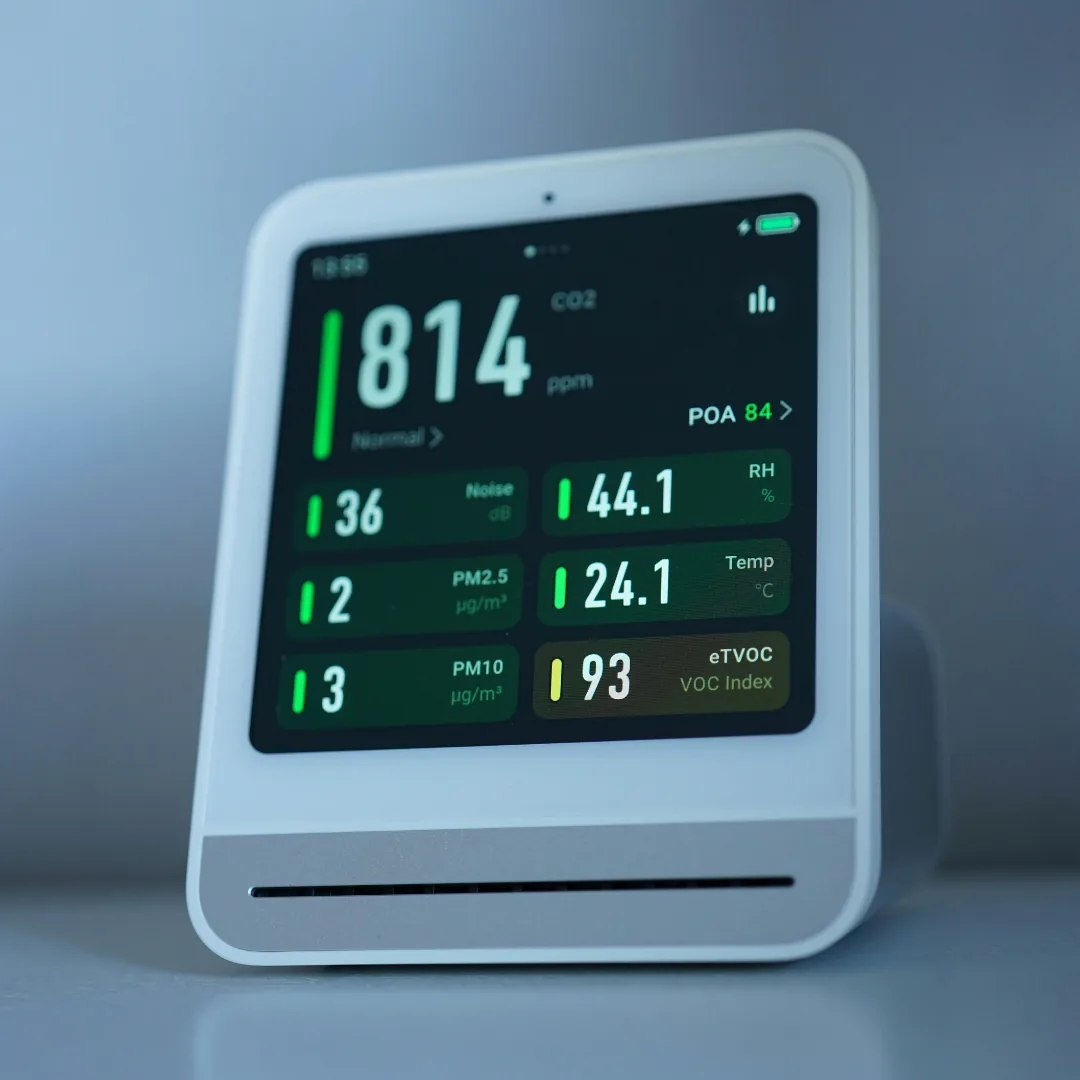
Good monitoring measures 4 things that matter most in a Hopkins home: humidity, fine particles, carbon dioxide, and chemical vapors. Together, they tell you whether your air is healthy or not.
| What We Measure | Why It Matters to You | Healthy Target |
|---|---|---|
| Relative humidity | Above 60%, mold can start growing on damp surfaces within a day or two | 30% to 50% |
| Fine particles (PM2.5) | Dust, pollen, and smoke small enough to reach deep into your lungs | As low as possible |
| Carbon dioxide (CO2) | A sign of weak ventilation, and high levels leave you foggy and tired | Below 1,000 ppm |
| Chemical vapors (VOCs) | Released by paint, new flooring, and cleaners, then trapped in sealed rooms | As low as possible |
A single reading only tells you about one moment. Continuous monitoring, on the other hand, shows you patterns: the bedroom that goes stale overnight, or the closet that spikes to 65% humidity every afternoon. If you have already noticed musty odors or heavy dust, our guide to the signs of poor indoor air quality in a Hopkins home is a good starting point.
Why Hopkins Homes Face a Bigger Challenge
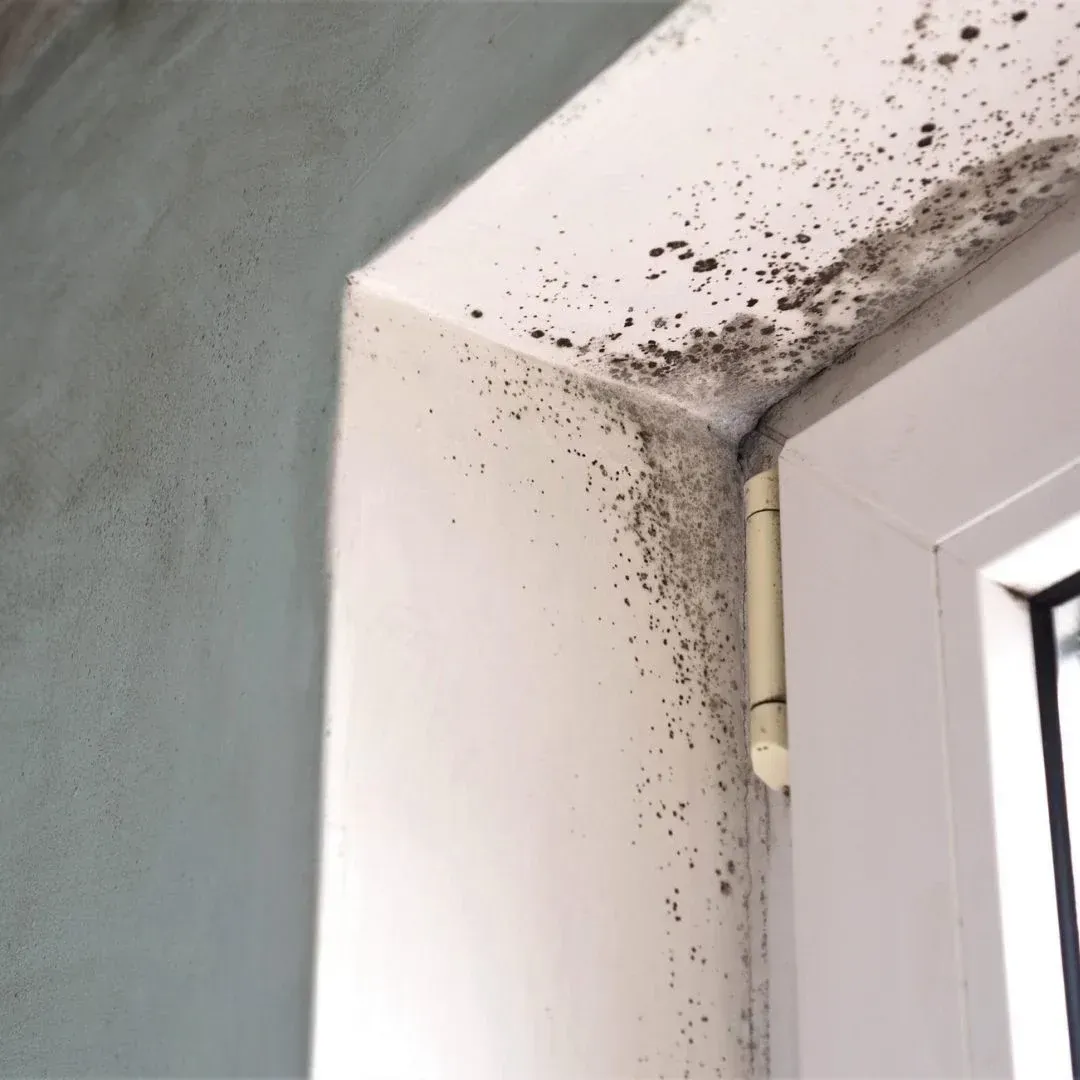
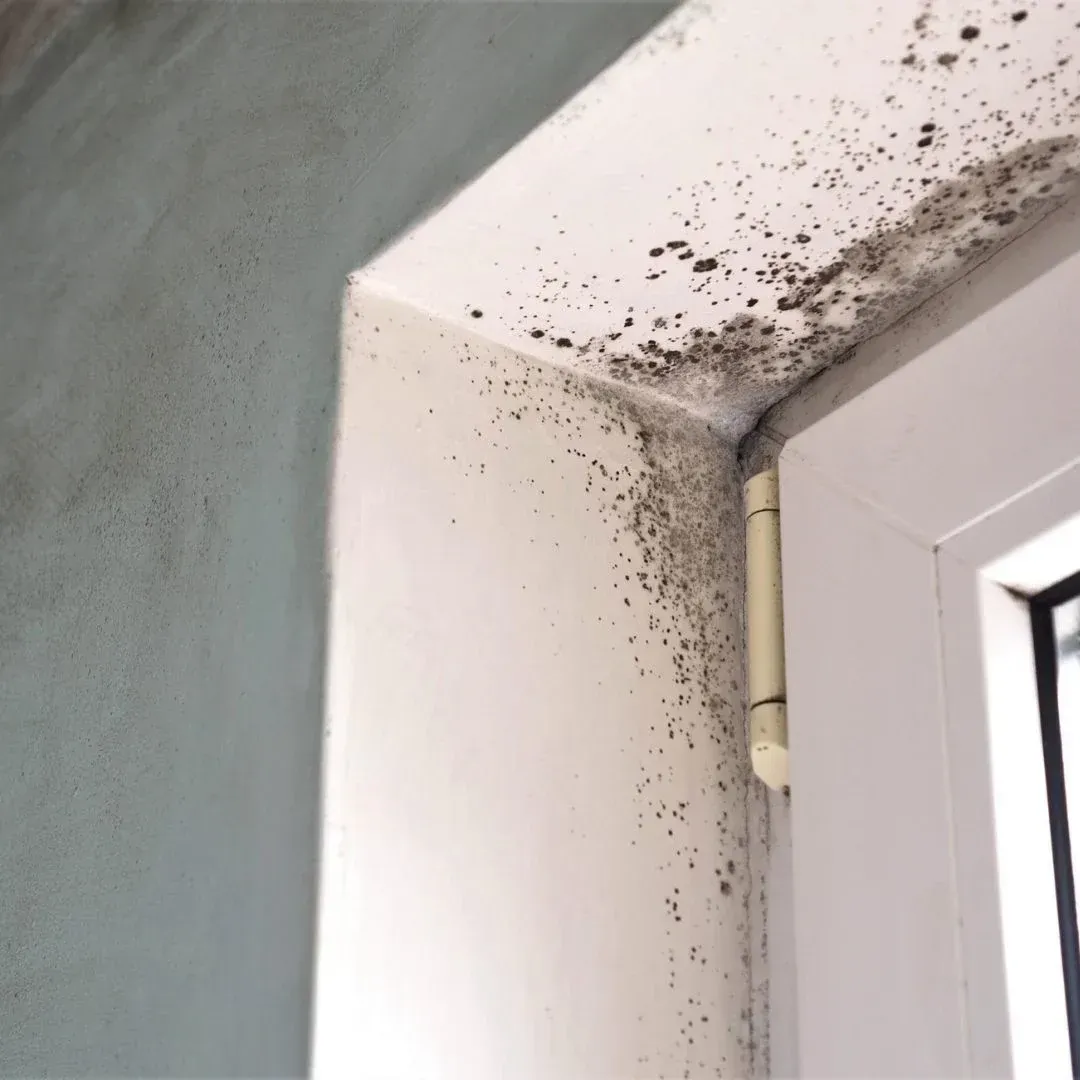
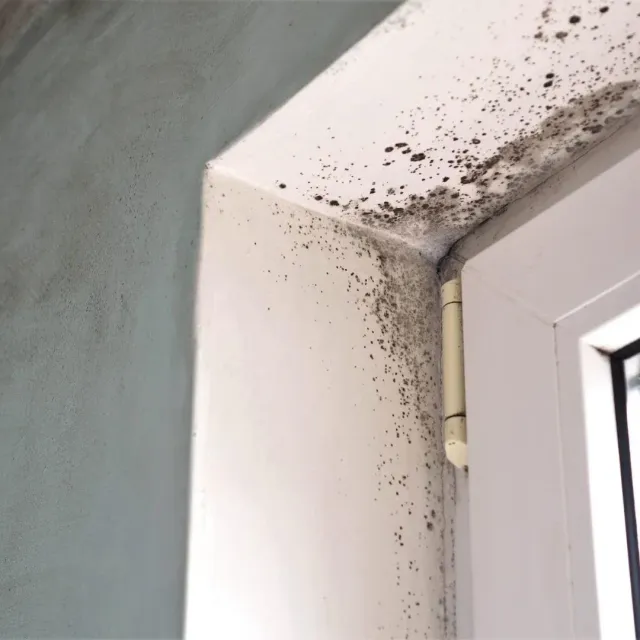
Hopkins homes fight moisture almost year-round, and moisture is what turns ordinary house dust into a mold problem. American Home Shield ranked South Carolina 9th in the country for the moldiest homes, scoring states on rainfall, temperature, relative humidity, and dew point.
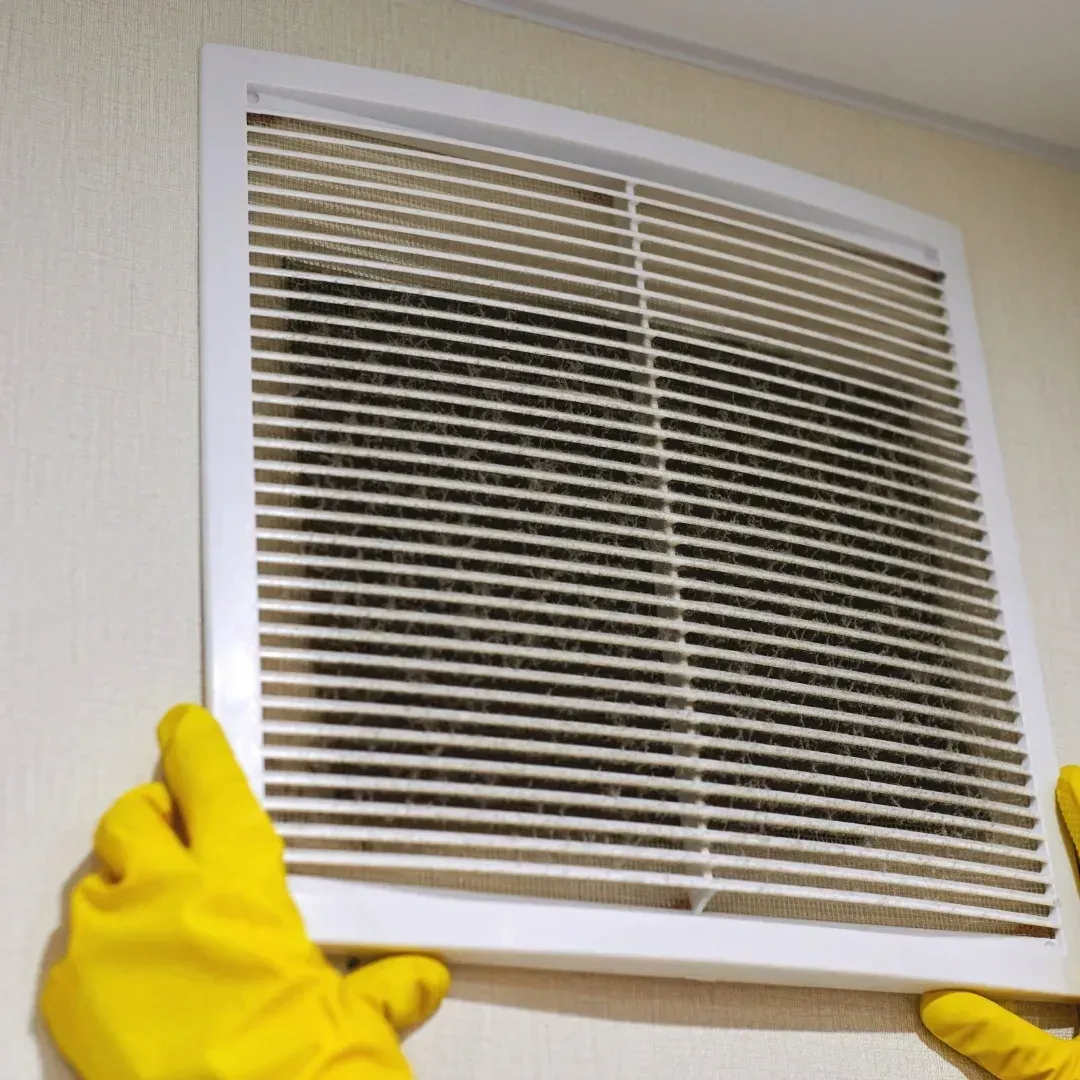
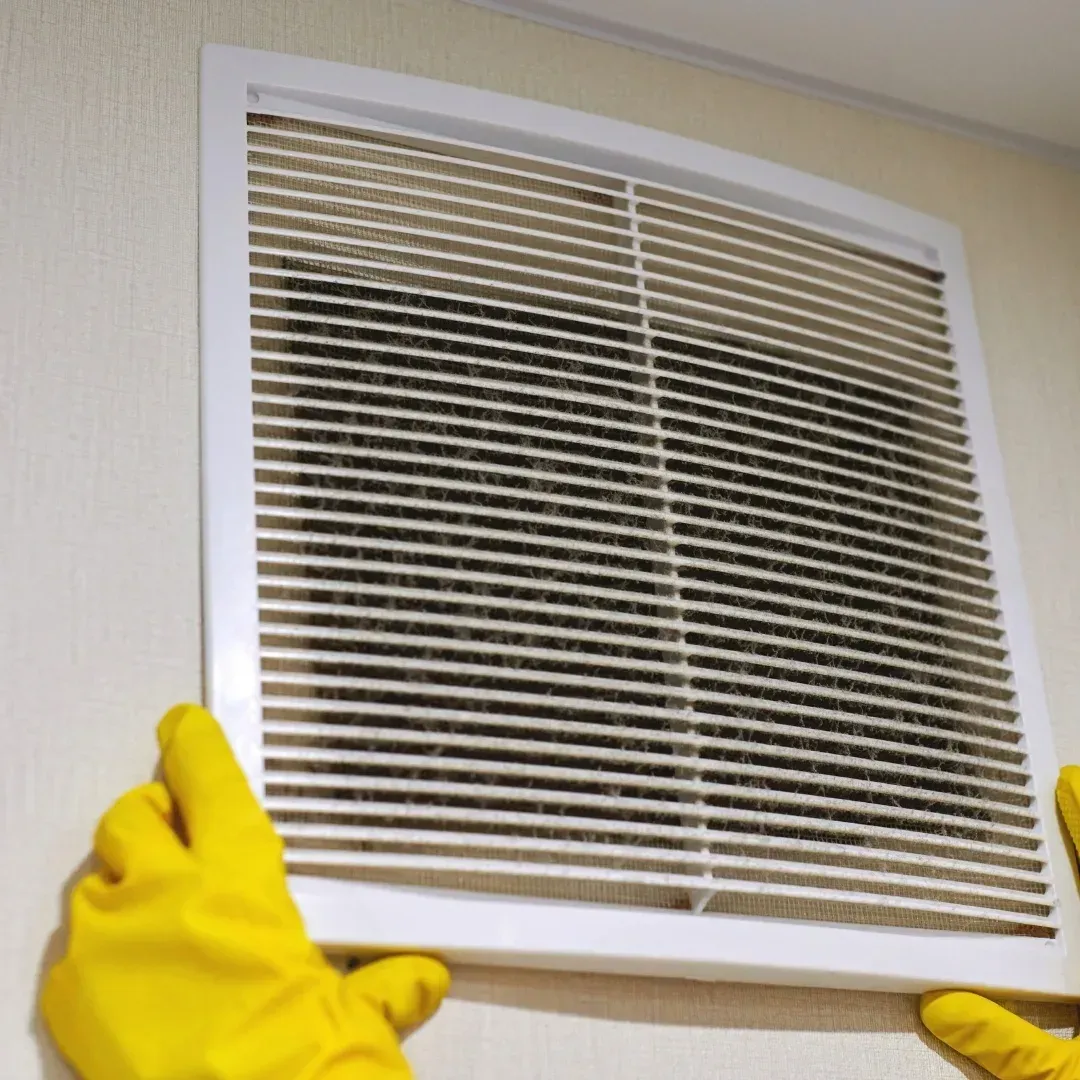
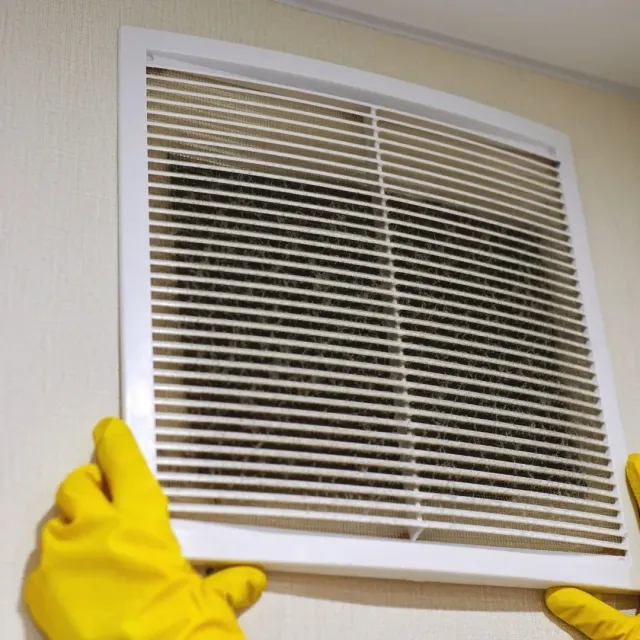
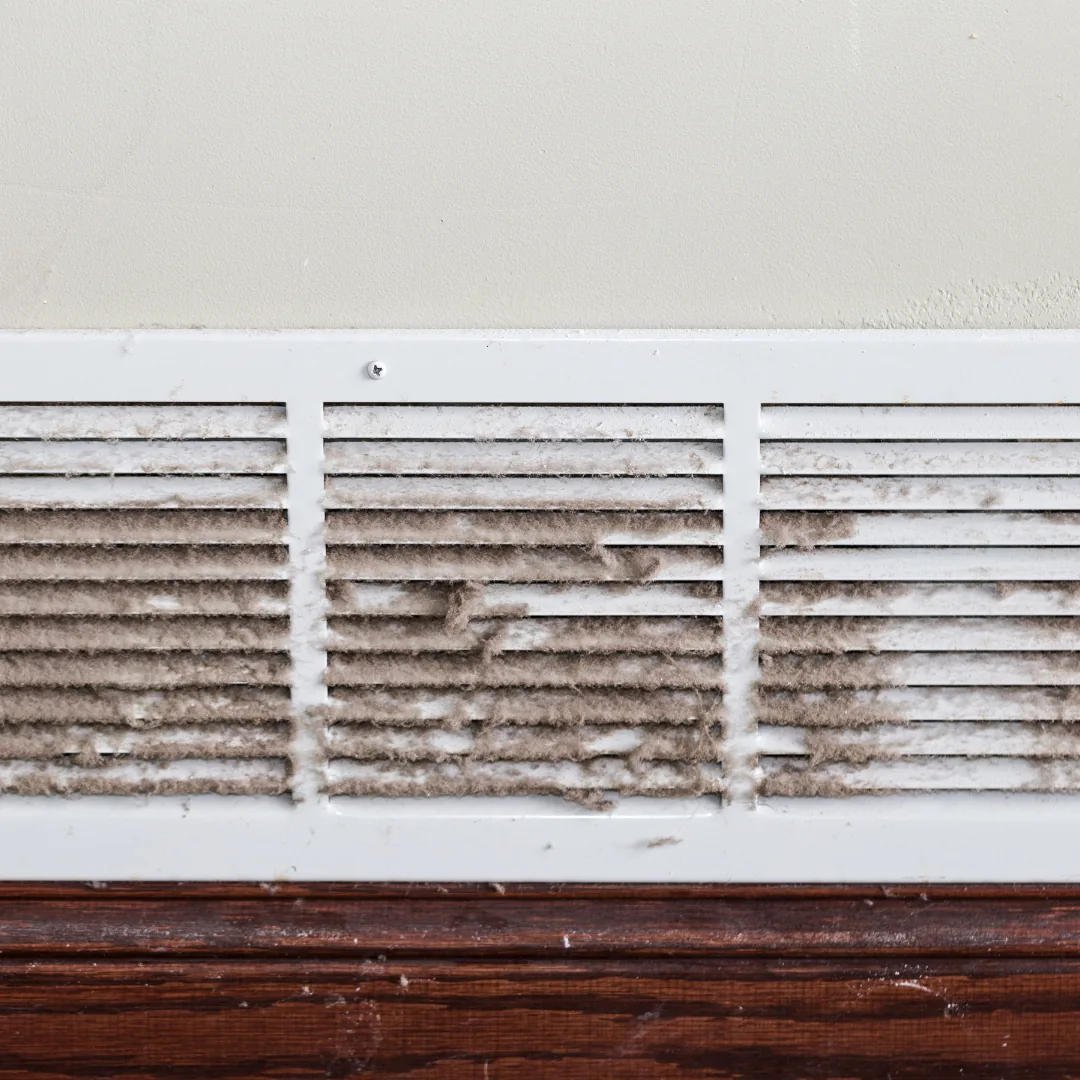
There is also a hidden risk most homeowners never think about. When cool conditioned air moves through warm ductwork, condensation forms inside the ducts. Those dark, damp spaces are ideal for mold, and your system then blows the spores into every room. Because of that, monitoring often pairs well with professional air duct cleaning.
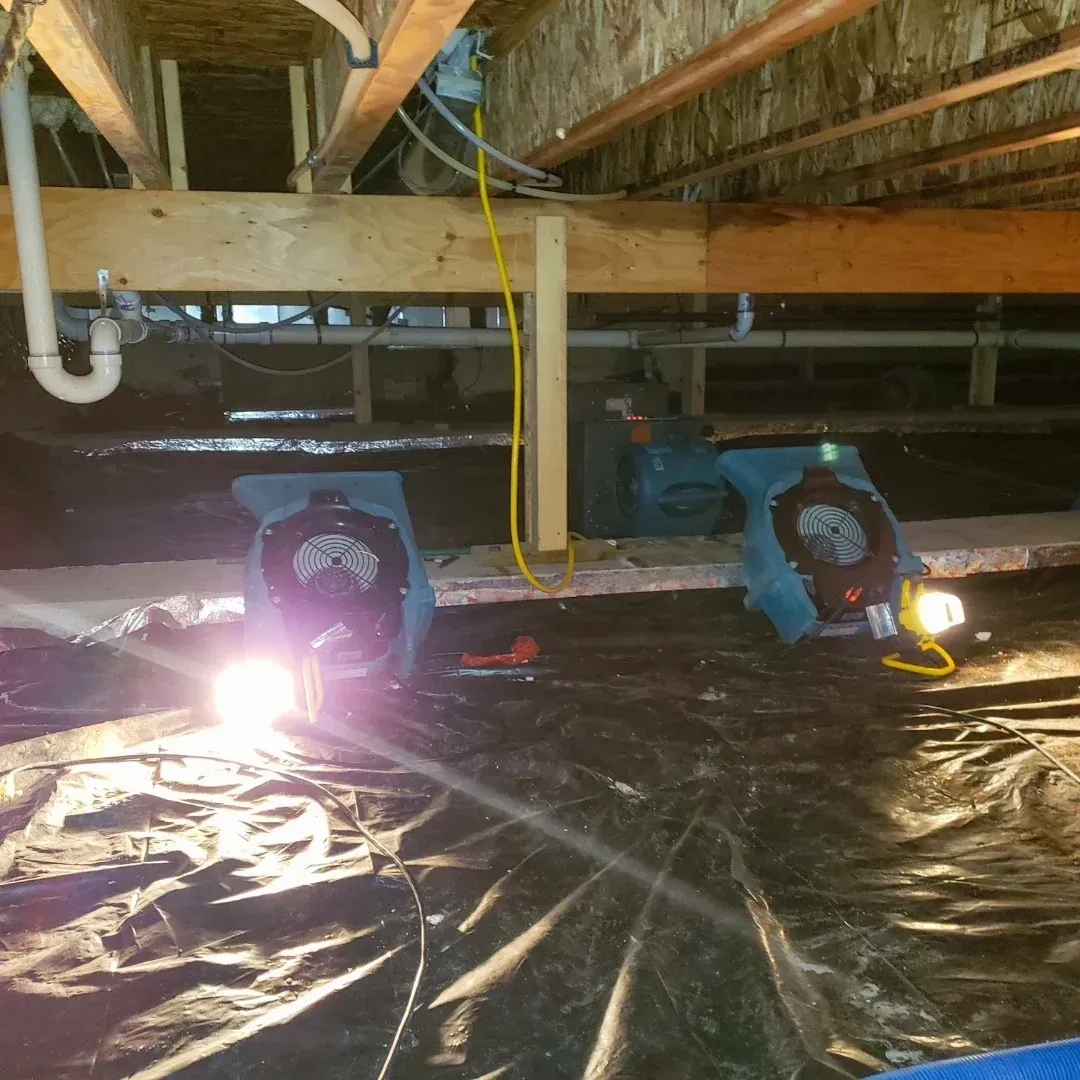
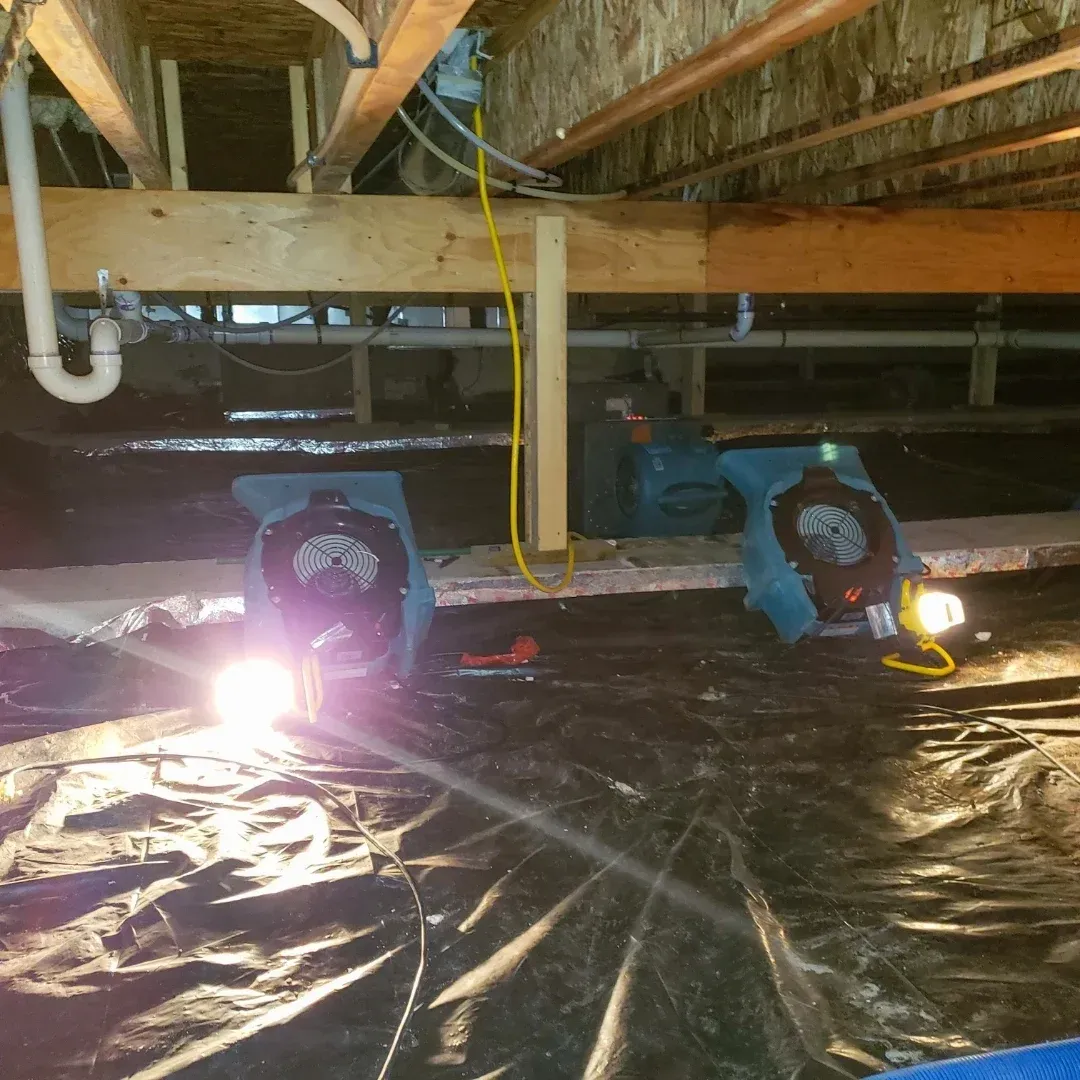
Crawl spaces work the same way. Damp ground under your floor pushes moisture up into the house, especially during summer. For more on that, see why a crawl space and indoor air quality inspection matters in warm months.
Without monitoring, you simply have no baseline. You cannot tell whether your dehumidifier is holding the line at 50%, or whether your bedrooms run out of fresh air by 3 a.m.
What Poor Indoor Air Really Costs You
Bad air costs you focus, comfort, and money. Harvard’s Healthy Buildings program found that cognitive test scores doubled when people worked in well-ventilated spaces with lower CO2 and fewer chemical vapors, compared with a conventional building.
Think about what that means at home. If your kids do homework in a closed bedroom, or you work from a home office with the door shut, you are paying that tax every day.
Then there is the insurance side. Standard homeowners policies usually cap mold payouts between $1,000 and $10,000, and they only pay when the damage comes from a sudden, accidental event. Dated monitoring records help you show when conditions changed, which strengthens your claim.
How Professional Monitoring Works
Professional monitoring uses calibrated instruments placed in several zones of your home, and a trained technician reads the results. Here is what the process looks like:
- We walk the property. We look at your HVAC setup, crawl space, and any spot with a history of leaks.
- We place instruments. Monitors go in the rooms that matter, not just one hallway.
- We log data over time. Readings capture day and night swings, plus how your system cycles.
- We interpret the results. You get plain answers about which rooms are struggling and why.
- We recommend next steps. That may be ventilation changes, dehumidification, or further testing.
Store-bought sensors have their place, but they measure fewer pollutants, drift out of calibration, and leave you guessing about what the numbers mean. If you are weighing your options, our post on why indoor air quality testing is essential for Hopkins homes covers the difference in more detail.
What to Do Once You Have the Data
Monitoring points you toward the source, and then testing confirms it. If your readings show sustained high humidity or rising particle counts, the next step is a mold inspection to find where the moisture is coming from.
From there, we can support you the whole way through:
- Moisture testing and mold testing
- CIRS testing and treatment for water-damaged buildings
- Testing before and after mold remediation
- Protocol writing and clearance testing accepted by more than 100 insurance companies
Because you already have monitoring data in hand, that process moves faster and rests on evidence rather than guesswork.
FAQs About Indoor Air Quality Monitoring Services in Hopkins
How often should I monitor the air in my Hopkins home?
Continuous monitoring gives the clearest picture in a humid climate. At a minimum, schedule a professional assessment once a year, plus another check after any water leak, renovation, or HVAC replacement.
Can monitoring detect mold?
Not directly. Monitoring tracks the conditions mold needs, mainly humidity and particle levels, which is often your first warning. Confirming mold still requires dedicated mold testing.
Is professional monitoring different from a store-bought sensor?
Yes, quite a bit. Consumer sensors track fewer pollutants with lower accuracy and no expert review. Professional monitoring uses calibrated equipment across multiple zones, and a technician explains what the readings actually mean for your home.
Which pollutants matter most around Hopkins?
Humidity and mold spores come first, given the local climate. Chemical vapors from building materials, CO2 from weak ventilation, and fine particles from outdoor air round out the list.
Find Out What You Are Breathing
You do not have to guess about the air in your home. Call Clean Aire, Inc. at (803) 776-1117 to schedule indoor air quality monitoring in Hopkins, SC, and get clear answers you can act on. We are open Monday through Friday, 8:00 a.m. to 5:00 p.m., and we serve customers within 200 miles of Hopkins.